About six years ago, while looking at some plays from the “Maryland I”, I thought why not run a “quadruple option”. This play would have the fullback dive to one side and the quarterback open to him, then reverse direction with the middle back diving and the tailback getting in pitch relationship (See Diagram 1).
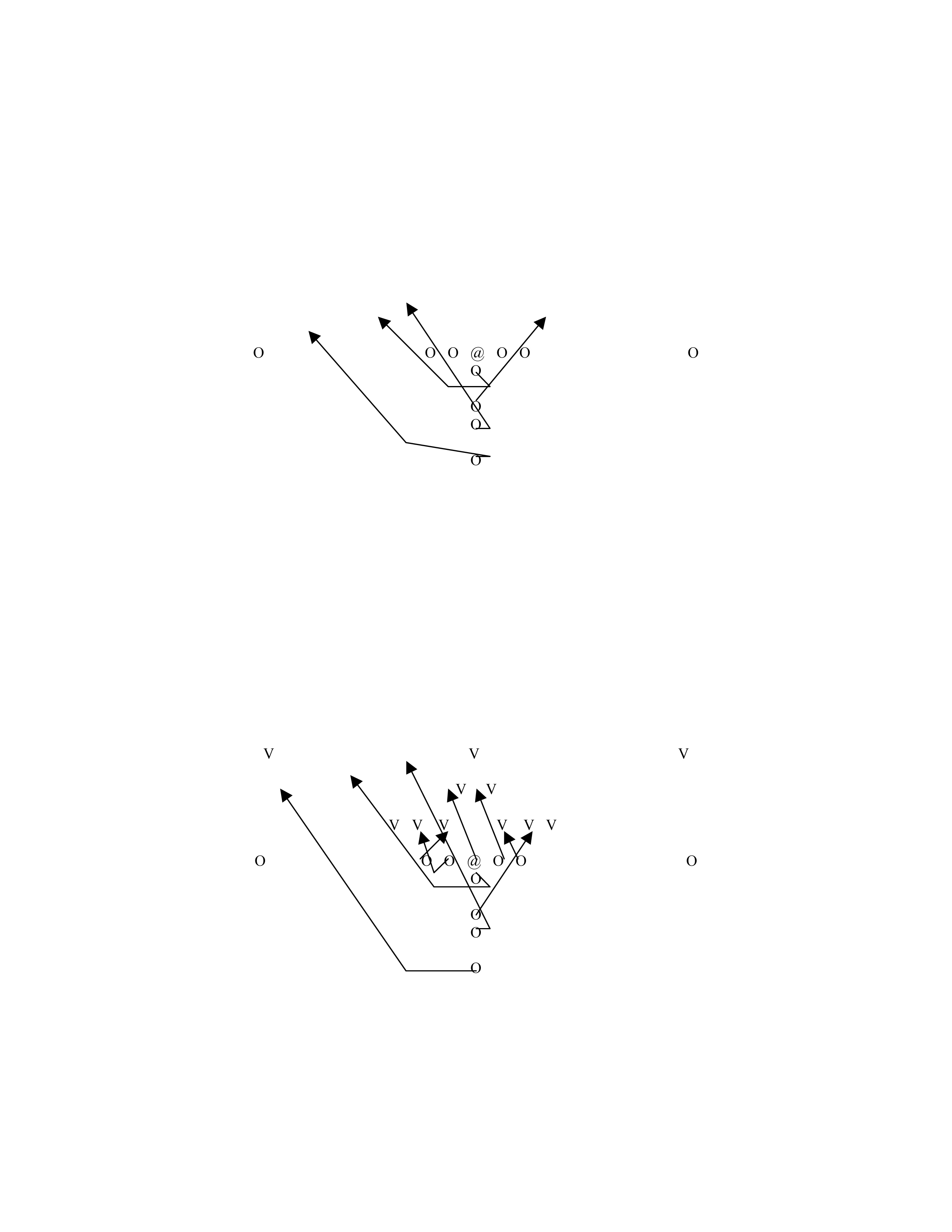
Obviously the quarterback cannot read a quadruple option, however it would give the defense four players to account for. At this point I thought it was intriguing, but probably not very practical.
Four years ago we used a gimmick play (See Diagram 2)
off of this package to score a touchdown in a big game. We got in the “Maryland I” for this play, but our base offense was the double slot option, similar to what Fisher DeBerry ran at Air Force and what Paul Johnson now runs at Georgia Tech. I really had not given the idea much thought until I was looking through a couple of old playbooks and saw a play where the slot back goes in motion until the ball is snapped and then dives back to the same side he started on. The rest of the backfield fakes the inside veer, and then the quarterback reverses and takes the ball to the slot back.
Since we were looking for ways to get our slot backs the ball running downhill, we started toying with the idea. I do not know if anybody has done this before, but we had never seen it. We already ran a sally style trap (See Diagram 3) to the slots, but had a problem against teams with an outside linebacker who could crash down and make the play because we were outnumbered. To remedy that, we decided to bring the other slot back around in pitch relationship and hold the outside linebacker with the threat of the quarterback and slot.
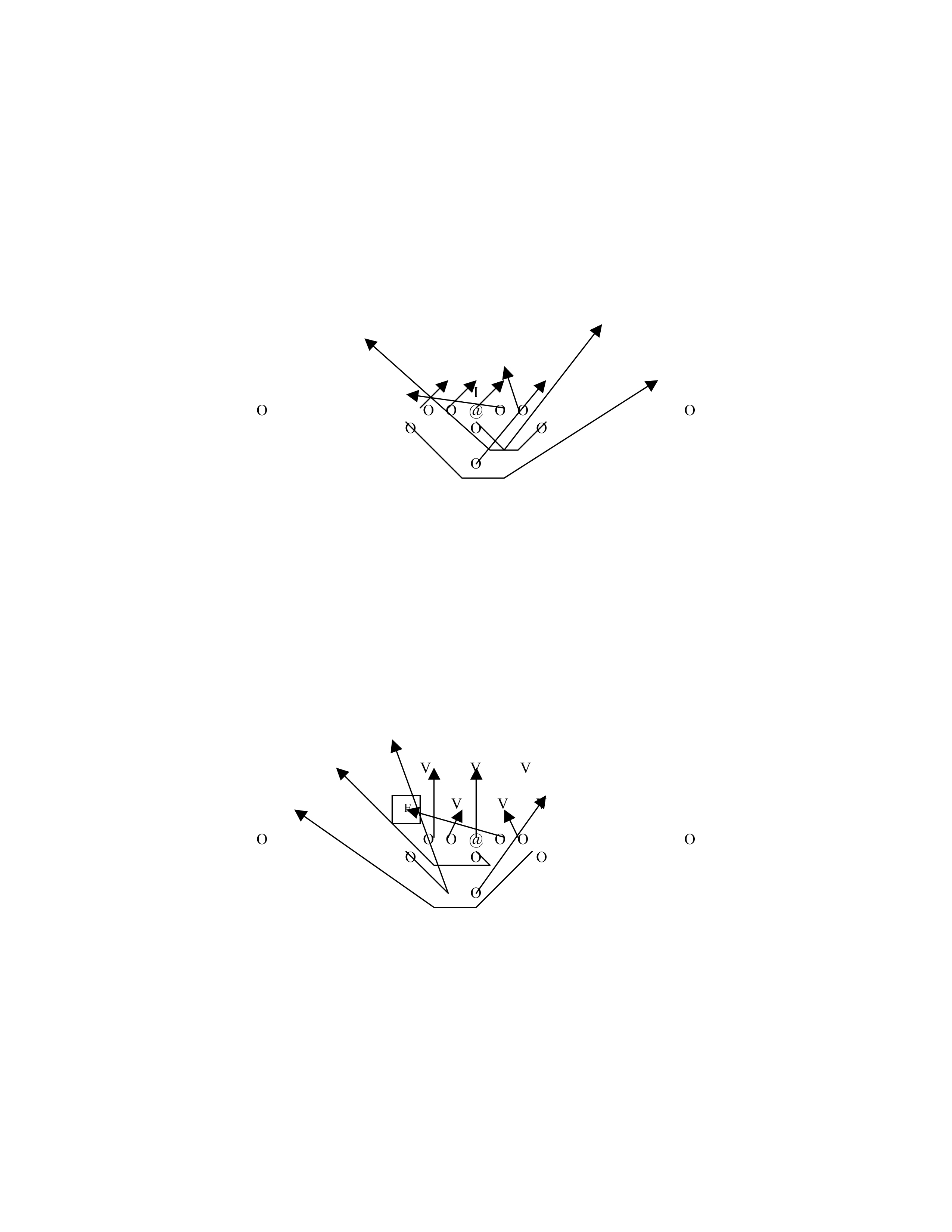
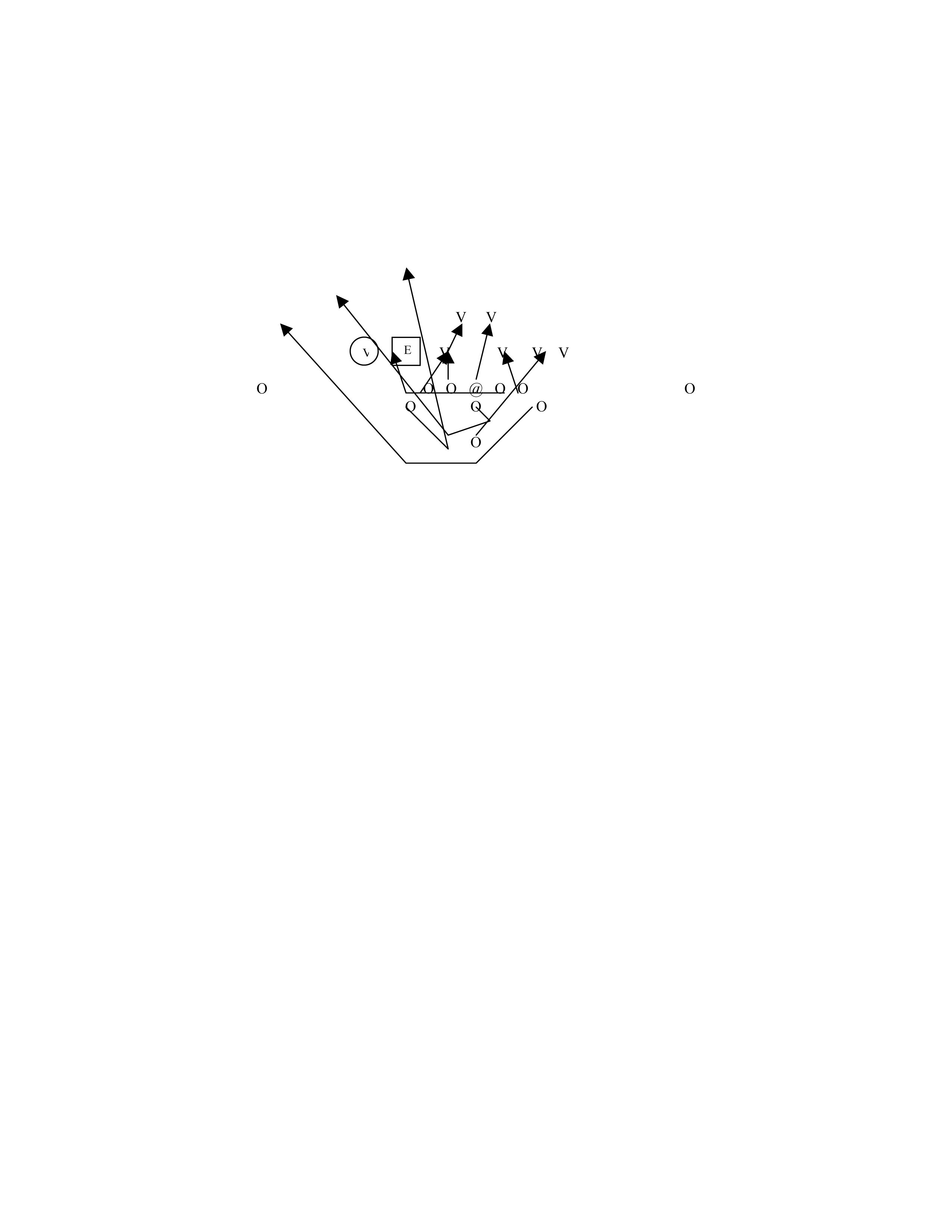
We run a lot of triple option, so this play is a counter off of that. Of course we call the play, trap or keep. We really do not have four options, but the defense still has to defend them all. We ran the trap play (See Diagram 4) for an average of 10.3 yards per rush and 5 touchdowns. As you can see, it very quickly became a valuable part of our offense. It is especially effective in that it goes away from the motion which many defenses key on in an offense like ours. It took several more weeks of practice time to get the keep play (See Diagram 5) down pat. It requires precise timing and aiming points to get all players where they need to be. We did end up running the keep play several times averaging 11 yards per play.
Teaching the Trap & Keep
We always run this as a long trap. The pulling lineman will trap the first defensive lineman head up or outside of our play-side offensive tackle. The play-side tackle will attack his inside gap. If there is a down lineman there, he will look to double with the play-side guard and they will combo to a linebacker. The play-side guard will attack any down lineman that is covering him on his outside half and execute a combo with the play-side tackle as previously mentioned. If the play-side guard is covered by an inside shade, he will have the man by himself, so he must get his head across and not allow penetration. Finally if the play-side guard is uncovered, he will look to get a push on the nose guard and then attack to the linebackers.
The center will block any nose guard and make sure not to allow penetration to the back-side, which would disrupt our pulling lineman. If the nose plays straight up or goes play-side, he will combo with the guard. If the center is uncovered but has a down lineman in his back-side gap, he will cut that player, making sure to get his head across. If the center is uncovered with no down lineman in his back-side gap, he is responsible for the back-side linebacker. The back-side guard will pull into the line and kick out the “trap man”. The back-side tackle will execute a cutoff block through his inside gap. If the pulling guard has an outside shade, the back-side tackle must attempt to get his head across this down lineman and cut him.
The play-side slot back will go in motion, plant and turn sharply on the snap of the ball, and attack the inside hip of the play-side tackle. We use a rhythmic snap count so that our players are stepping with the snap of the ball and the quarterback’s “hut”. This allows us to teach the slot to anticipate the snap and plant with it. He will be sure to make a pocket and “run his track” until he secures the football. The quarterback reverses out, takes the football to the play-side slot, and carries out an option fake. The fullback runs his option track a gap wider to the back-side and blocks anything coming off the end. The back-side slot must “bust it” to run through the fullbacks waist (in his stance) and get past the quarterback and into pitch relationship. The receivers block man on.
The keep play is run with basically the same rules with only a few adjustments. The pulling lineman will now get more depth and “invite” the “trap man” inside so he can log him, turn him in so the quarterback can get outside. The play-side slot must make a great ball fake and run into the line. We teach him that if he does not get tackled, he is not making a good enough fake. The quarterback will get a step deeper, ball fake to the play-side slot, and attack downhill looking to pitch off of the force player. The back-side slot must be ready, because against certain fronts the pitch can come very quickly.
This package was very valuable to us and will be an even larger priority in coming years. Even with speedy slot backs, running plays that have them going sideways can only be so effective. The trap play allows us to get our playmakers the ball going straight ahead where making one defender miss can equal big yards. We had big plays of 59, 31, 31, and 21 yards in one season on the trap play. The keep can also get big yards when you have begun hurting a defense with the trap. You want to call the keep when they begin crashing down to stop the trap with their outside defenders. We were able to get ten yards or more on the keep play several times this year as it compliments the trap quite well. u