LIKE MOST SPECIAL TEAMS coaches, I often find myself fighting for more practice time — usually with mixed results. Because of this challenge, we need effective, yet time-efficient schemes for each phase of the kicking game. The “Jesse James” punt return scheme meets this criterion.
This punt return scheme is named to help players easily remember their primary blocking assignments. When teaching the return, we explain to the players how Jesse James, the infamous bank robber, was able to successfully rob banks. We tell them there were three aspects to James’ success:
1. Rushing into the bank.
2. Holding up the bank.
3. Hitting the trail.
Interestingly, these are the same three steps to our punt-return scheme, which includes:
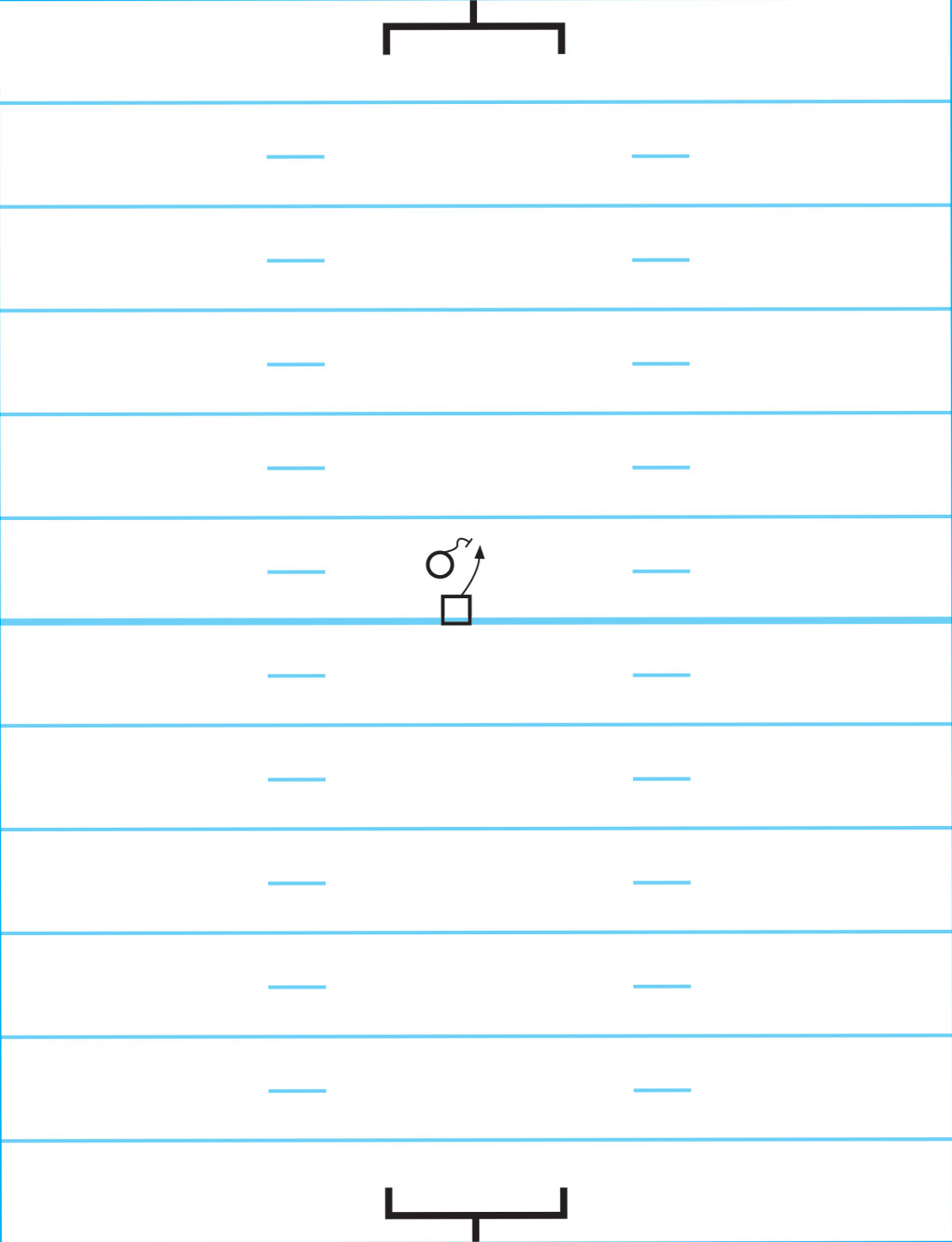
- Rushing The Punter. In this phase, the intent is not actually to block the kick, but to force the blocker to engage the rusher.
DIAGRAM 1A: Force Engagement From Blocker.
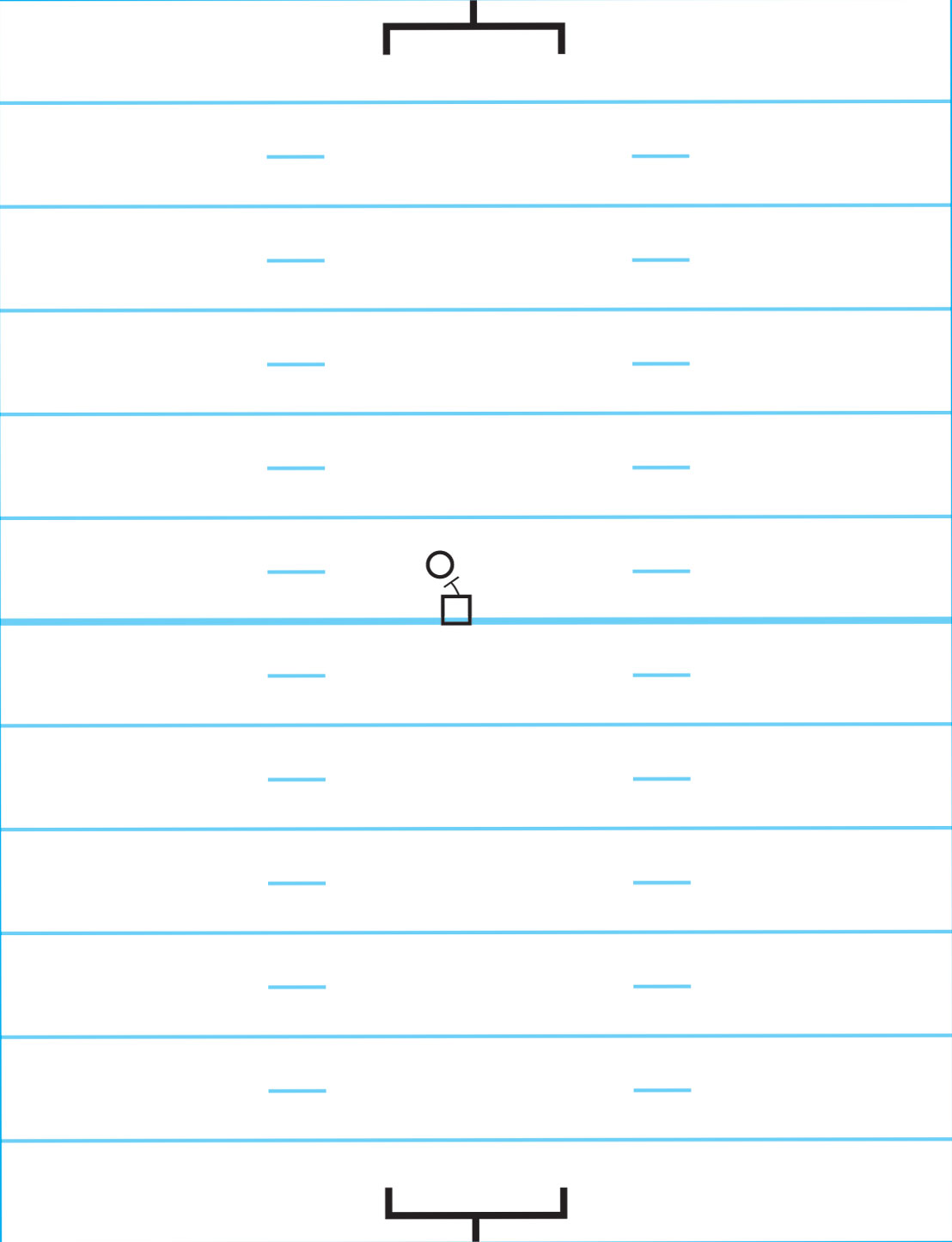
- Holding ‘Em Up. Most punt team members are taught to block for 2 seconds before releasing downfield to cover the kick, or until they hear the punter kick the ball. In this scheme, punt-return players are taught, after “rushing” for nearly 2 seconds, to turn “in” toward the blockers. They must maintain this block for as long as possible to keep the cover man from releasing downfield.
DIAGRAM 1B: Turning “In” Toward Blockers.
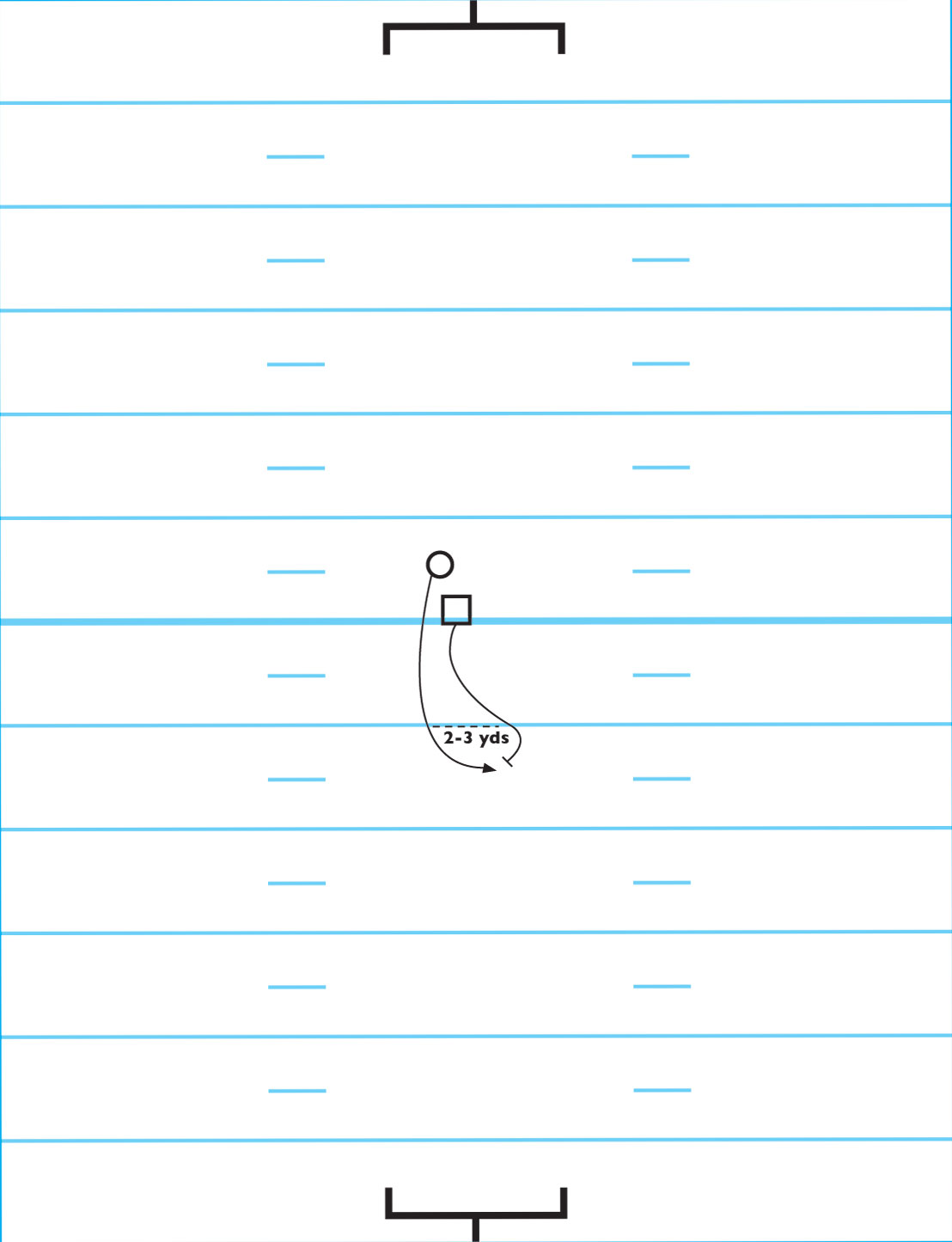
- Hitting The Trail. When the coverage team separates from the block, punt return players are instructed to turn and sprint downfield after them. They must work their opponent from the side of the return, running about 2 to 3 yards wider than the coverage man (a slower runner may aim 4 to 5 yards wider to make up for being overmatched). The reason for getting wider is that the blocker knows where the return is going and the cover man will “come to him” while in pursuit.
DIAGRAM 2: Establishing 2-3 Yards Width.
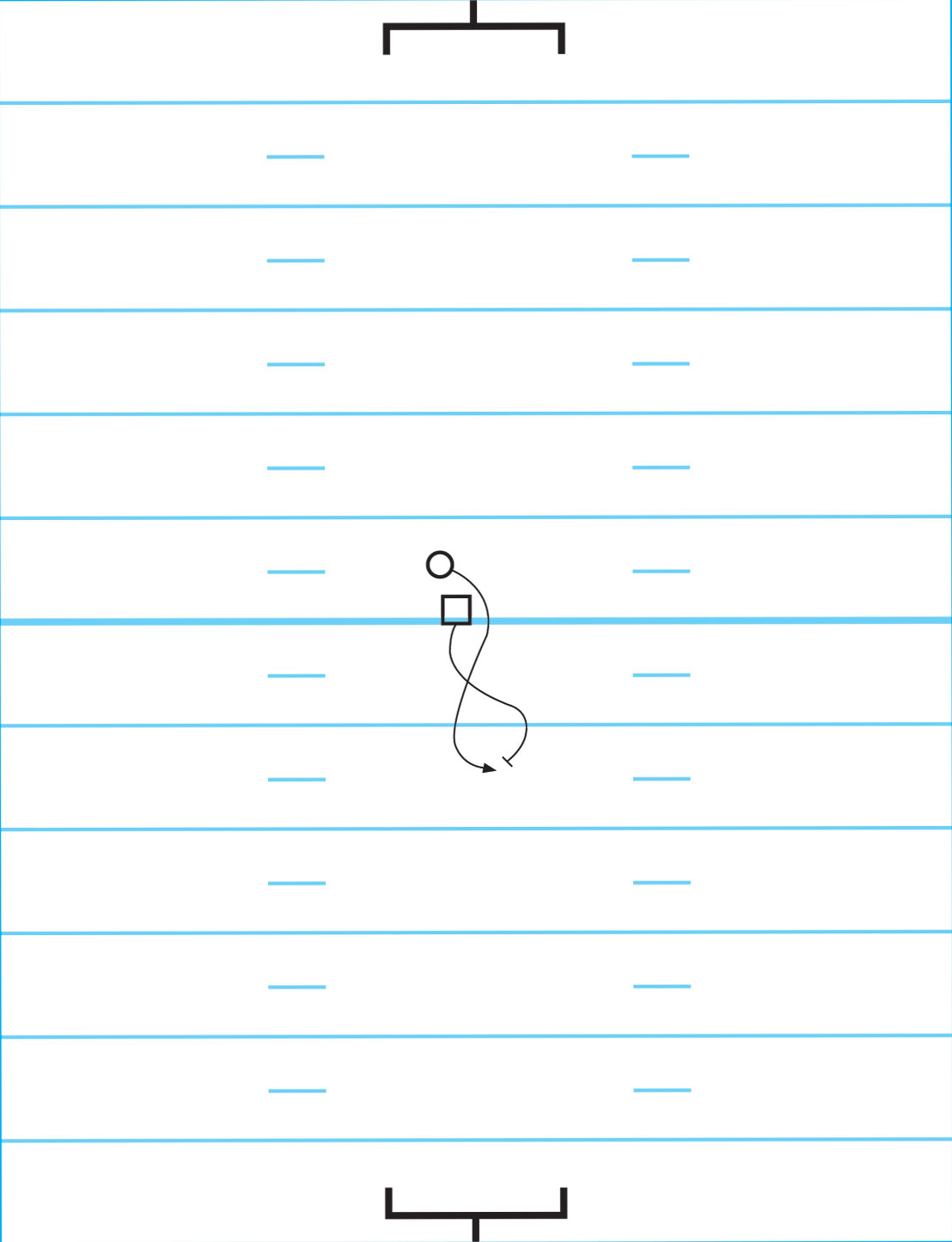
If the coverage man releases to the side that the return is being run, the blocker must work to cross behind him to get into proper position to make the block.
DIAGRAM 3: Crossing Over If Coverage Man Releases To Return Side.
Benefits of a 4-3 Alignment
We align in a 4-3 with two returners for several reasons:
1. It fits our defensive scheme well.
2. It allows us to run our normal stunts and blitzes.
3. It allows us to defend possible fakes with defensive personnel.
4. The two deep returners allows us to field most kicks (kicking ability varies widely at the high school level), including the short kick.
5. The only personnel change that must be made is inserting the return specialist (if that player is not already on defense). If the defensive tackles don’t move well in open space, they are also replaced.
DIAGRAM 4: 4-3 Alignment (Vs. Spread Set).
If we send an extra rusher, we merely bring the personal protector up.
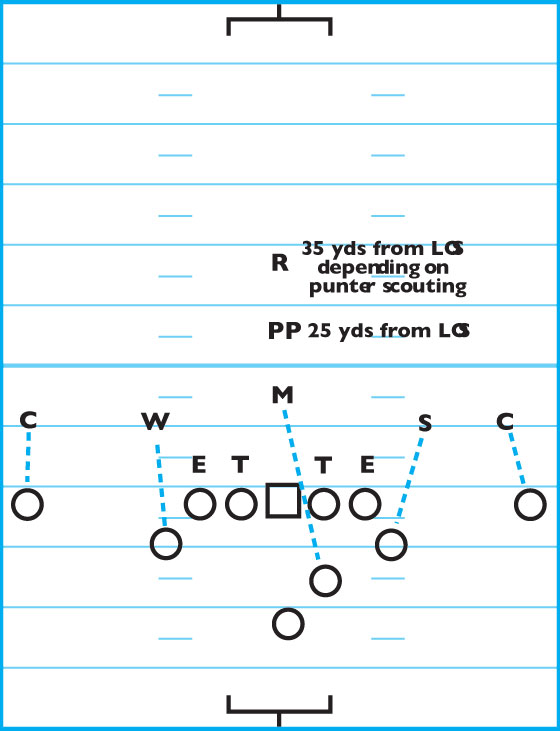
DIAGRAM 5: 4-3 Alignment (Vs. Tight “T” Set).
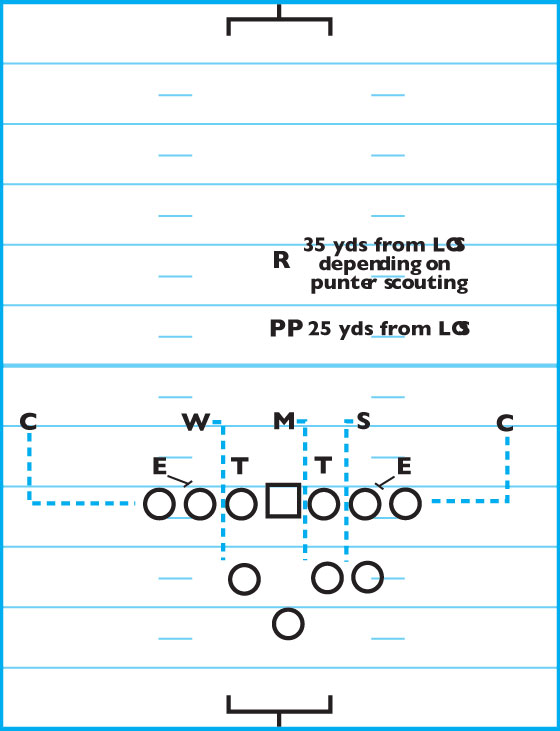
DIAGRAM 6: 4-3 Alignment (Vs. Tight Set).
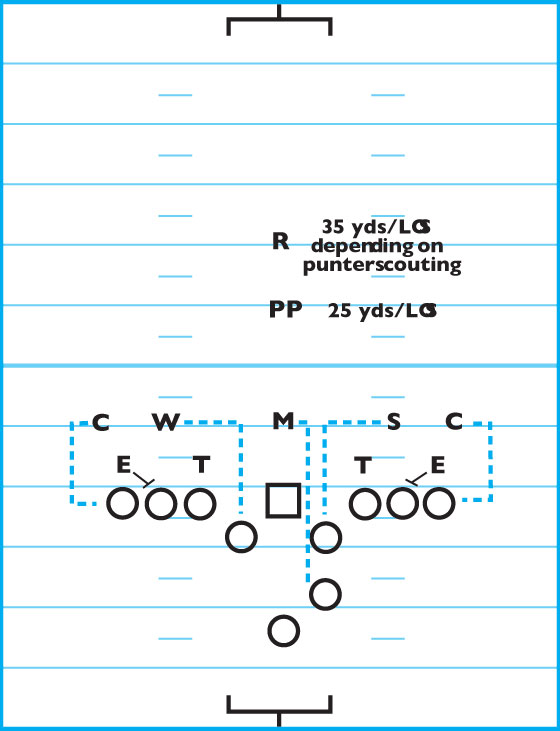
DIAGRAM 7: Player Movements (vs. Tight Set).
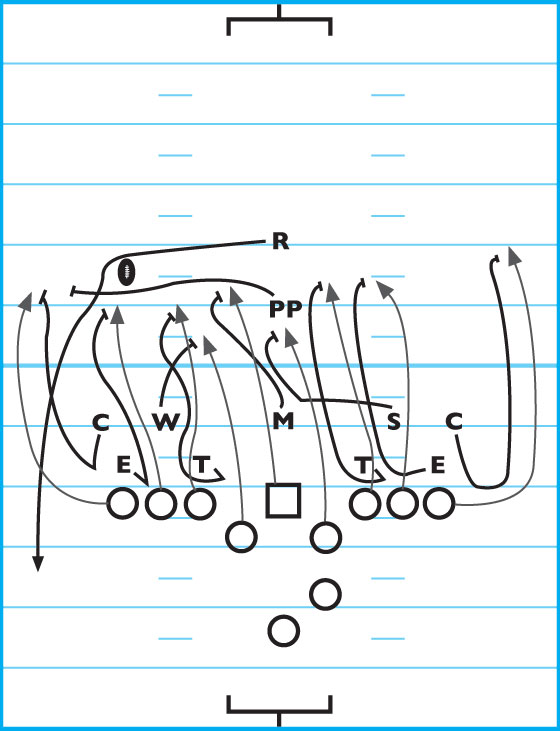
responsibilities
Following are the individual player responsibilities and teaching points for the “Jesse James” punt return.
Defensive Tackles: Lines head-up on the offensive guard. Blocks and attempts to “hold him up” at the line of scrimmage. When the OG releases, the DT trails him to the side that the ball was kicked so he can pick him back up when the returner advances upfield. If the DT is slow, replace him with a quicker player for this return scheme.
Defensive Ends: Lines head-up on end man on the LOS. Blocks the offensive tackle.
Outside Linebackers: Lines head-up on the OT (or, in an outside shade vs. a spread offense). Cover man-to-man with the up-back to his side.
Corners: Align covering the widest eligible receiver. Jams (“holds ‘em up”) and trails. Ideally, force the ends to the outside.
Personal Protector: Aligns 25 yards deep (may vary based on scouting report). Drops back to ensure that the returner fields the ball cleanly, and then blocks the most dangerous defender. Protects the returner.
Returner: Aligns 35 yards deep (varies based on scouting report). First and foremost, secures the football — due to the personal protector, the returner need only be concerned only with catching the ball. On high or difficult punts, signals for a fair catch by raising one hand high above his head and waving it from side to side. Never aligns deeper than his team’s own 10-yard-line and never fields a ball inside the 10.
On a short kick,yells “Peter, Peter!” to alert all teammates to get away from the football and avoid touching it.
easy to execute, flexible
This return is versatile, and allows the coach to make slight alterations based on the opponent’s strengths and weaknesses.
The side of the return can be called before the play. We’ve also had success returning to the side in which the ball was kicked (as a rule, when it’s kicked in the middle, we return it toward our sideline).
With a little practice, blockers can quickly adjust to the side that the ball is to be returned by watching where the returner runs to field the punt. This scheme also allows the returner to run north and south quickly.
DIAGRAM 8: Double-Team On “Stud” Player.
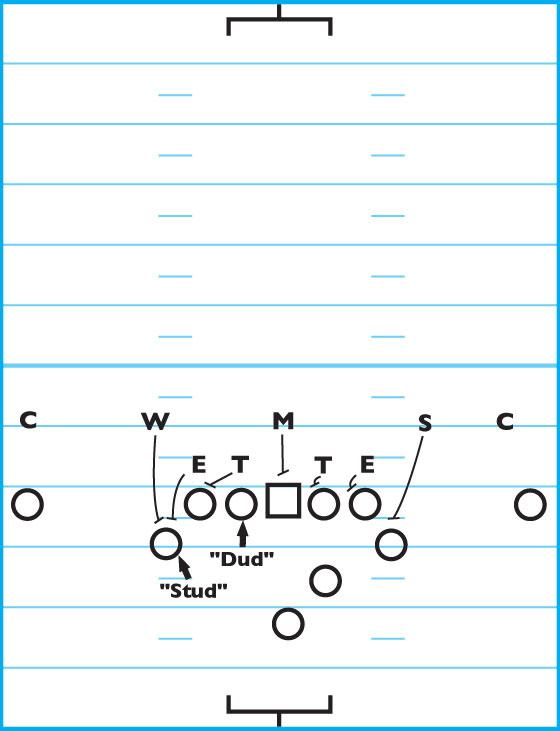
In this scheme, you can account for all coverage personnel and/or double-team a key player or “stud.” You can also align in any front when using this scheme. If a team uses a slow lineman (or “dud”) on its punt team, we leave him unblocked and focus on double-teaming a more dangerous man. You should expect your punt returner to beat a slow coverage man.
DIAGRAM 9: Blitz Right, Run Left.
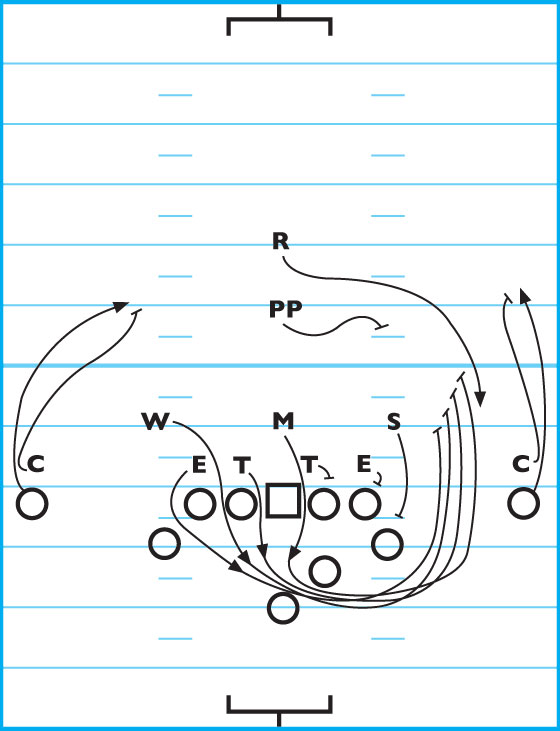
This scheme allows for you to call an all-out block from one side while setting up the return for the other side. If the rushers do not block the kick, they must turn back upfield and sprint toward the returner to pick off the defenders in pursuit.
For additional teaching points covering blocking on punt returns, punt returners mechanics and punt block principles, visit www.gridironstrategies.com. Simply double-click “Only Online” button on the left-hand side of the screen and then double-click the “Feature Articles” pages.