The four verticals play is no stranger to the spread offense, but has become an under-utilized weapon. Many teams, especially at the high school level, tend to only run four verticals out of a two-by-two formation with outside receivers running down the numbers and the inside receivers getting down the seams. Defensive coverages can sometimes be predictable from specific offensive formations, like a spread two-by-two or trips, and game situations, such as at the end of a half or on first down near the 50-yard line. Therefore, if you know what defense you will face from a specific formation in a specific formation, then running a variation of the four verticals play can be quite effective. I am going to talk about four variations of the four verticals play which will add a diverse element to your vertical passing attack.
Route Adjustment vs. Cover 2 and Cover 4
This first variation is a route adjustment vs. a two-high safety defense where one of the inside receivers is instructed to “bend” his route to the inside. When calling this play, just tag the receiver for a “Read” or “Bend” route (i.e., “70 vertical Y-Read”) to signify which receiver will run this route adjustment. Versus cover 2, have the QB read the safety on the side of the route adjustment (See Diagram 1).
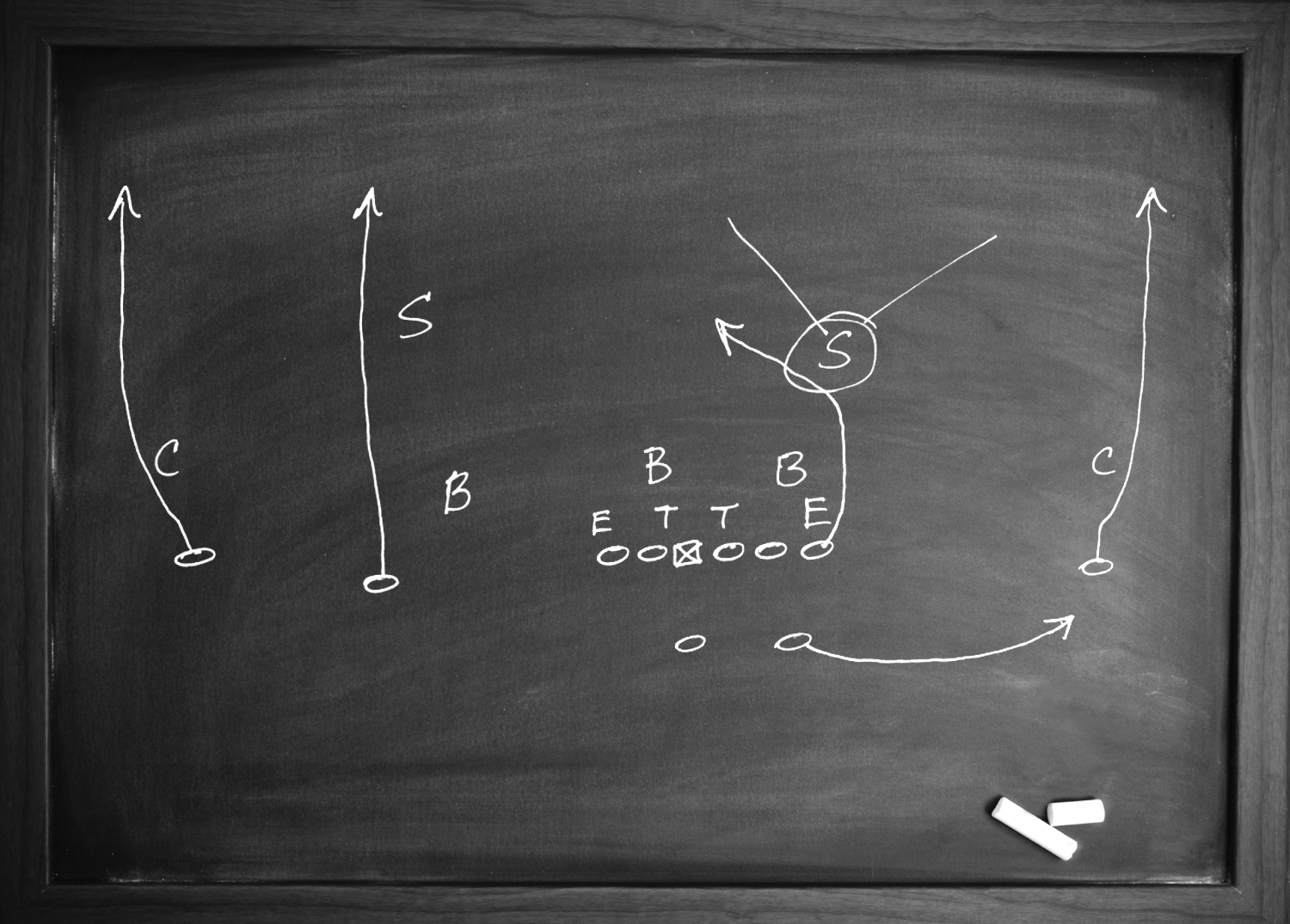
If the safety stays deep or to the outside, then hit the “bend” route. If the safety bites on the “bend,” then throw the outside fade.
Versus cover 4, the route adjustment could be either changed to a “dig” route or the receiver can just sit down in the zone between the linebackers and safeties (See Diagram 2).
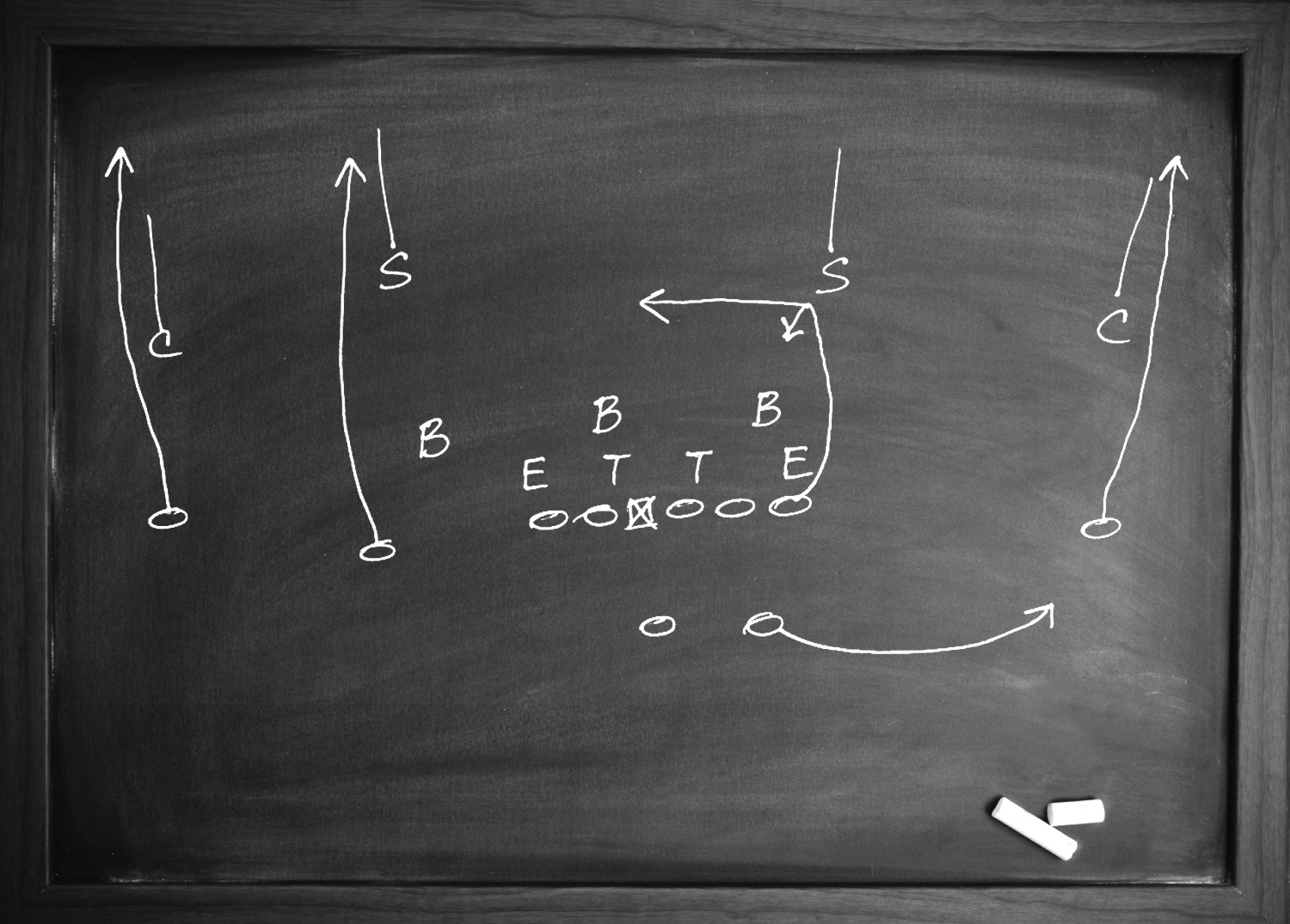
If you know you are going to see cover 4, then using play-action to freeze the linebackers would be an advantage in creating more space in the middle of the field.
Four Verticals Out of “Trips”
A relatively new variation of the four verticals is running the play out of a “trips” formation. In this section I will refer to the trips side as the frontside and the single receiver as the backside. In this play, the #3 receiver on the frontside runs what starts out as a crossing route (while getting depth at the same time) that eventually turns into a vertical route. Versus cover 3 (See Diagram 3)
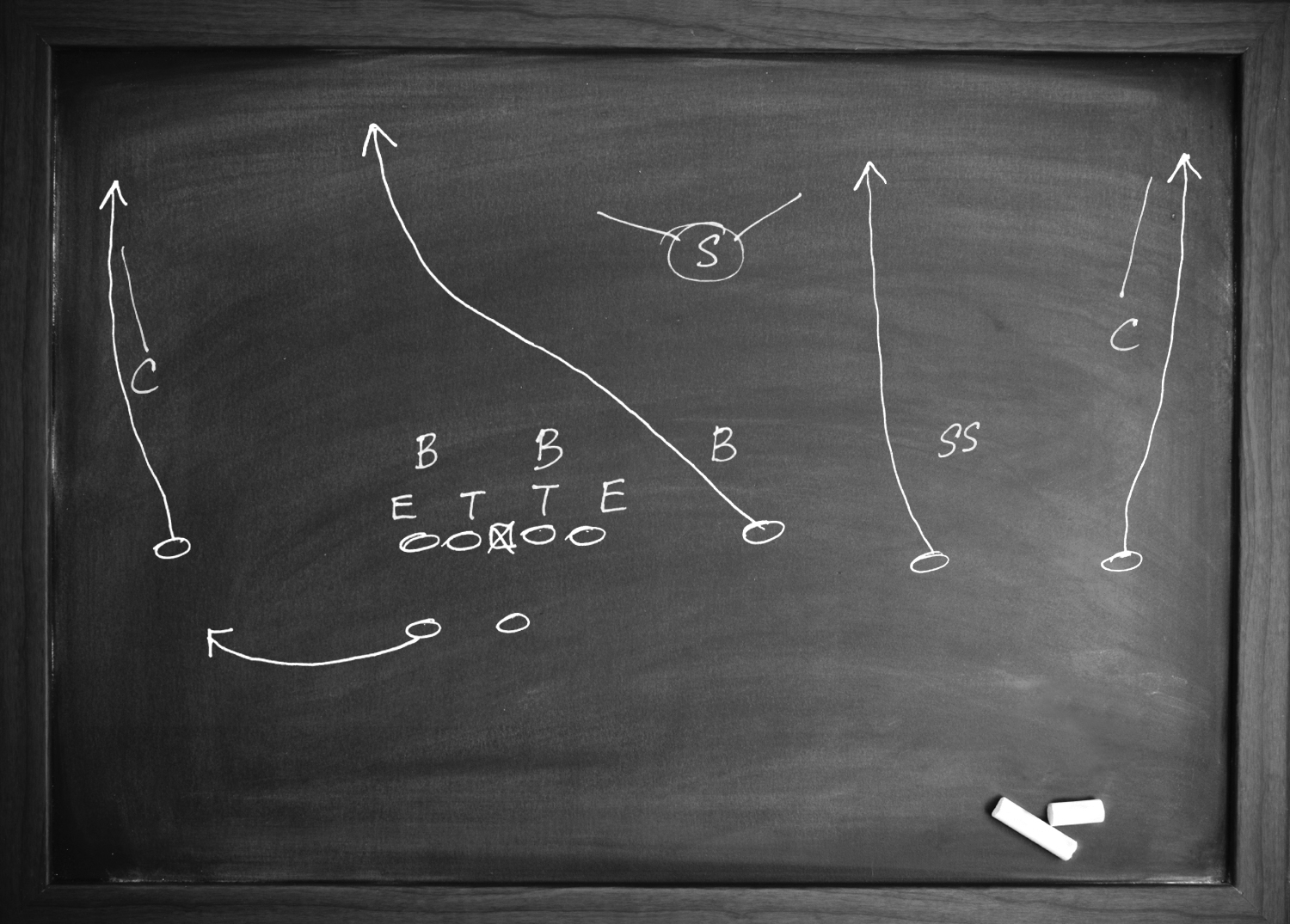
the QB still has the same read in that he will read the safety in the middle of the field. If the safety gets a lot of depth, then hit the crossing vertical receiver. If the safety bites on the crossing vertical, then hit the #2 running down the seam. If the QB runs into any immediate trouble, he can check down the RB.
If the defense runs cover 4 (See Diagram 4)
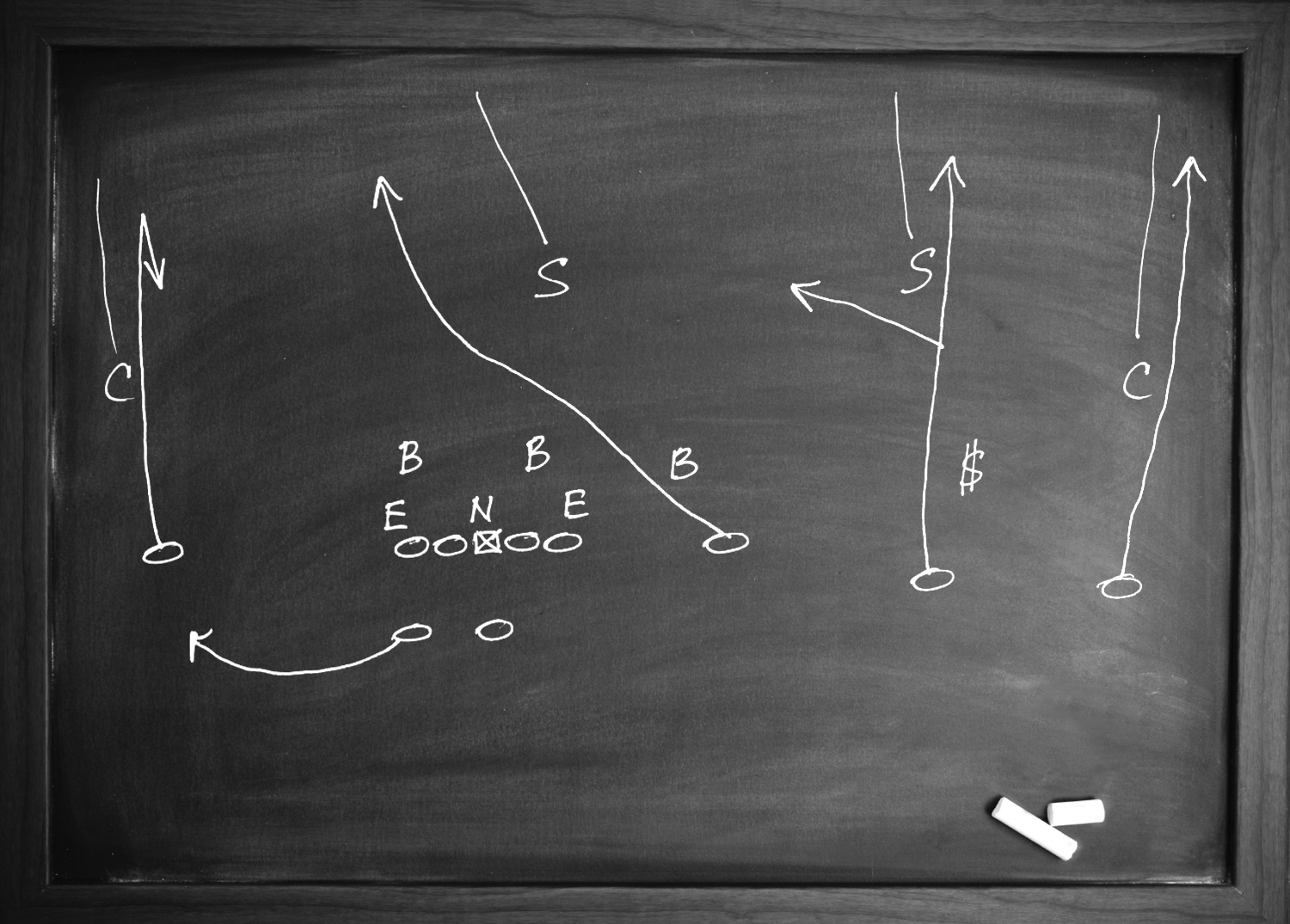
then your receivers will have to make simple adjustments. The crossing vertical will not adjust his route. The single receiver on the backside will have to break off his vertical into a fade-stop at 15 yards if he cannot get over the top of the cornerback. Have your QB try to hit the receiver on his backside shoulder, and instruct the receiver to run inside when breaking off the vertical (while working back to the LOS) so that he can pick up the ball easier if it is thrown his way. On the frontside, the #2 receiver can “bend” his route to the inside as previously discussed above. Have the QB read the backside safety. If the backside safety gets a lot of depth, then the QB can choose crossing vertical, the frontside #2 bending his route to the inside, or the backside receiver on the fade-stop at 15 yards. If the backside safety bites on the crossing vertical, then the QB can hit the fade-stop on the backside. Again, play-action would be beneficial in freezing the linebackers to allow for more space between the linebackers and defensive backs. If the QB has trouble, he can drop the ball off to the RB.
Versus cover 1 (See Diagram 5)
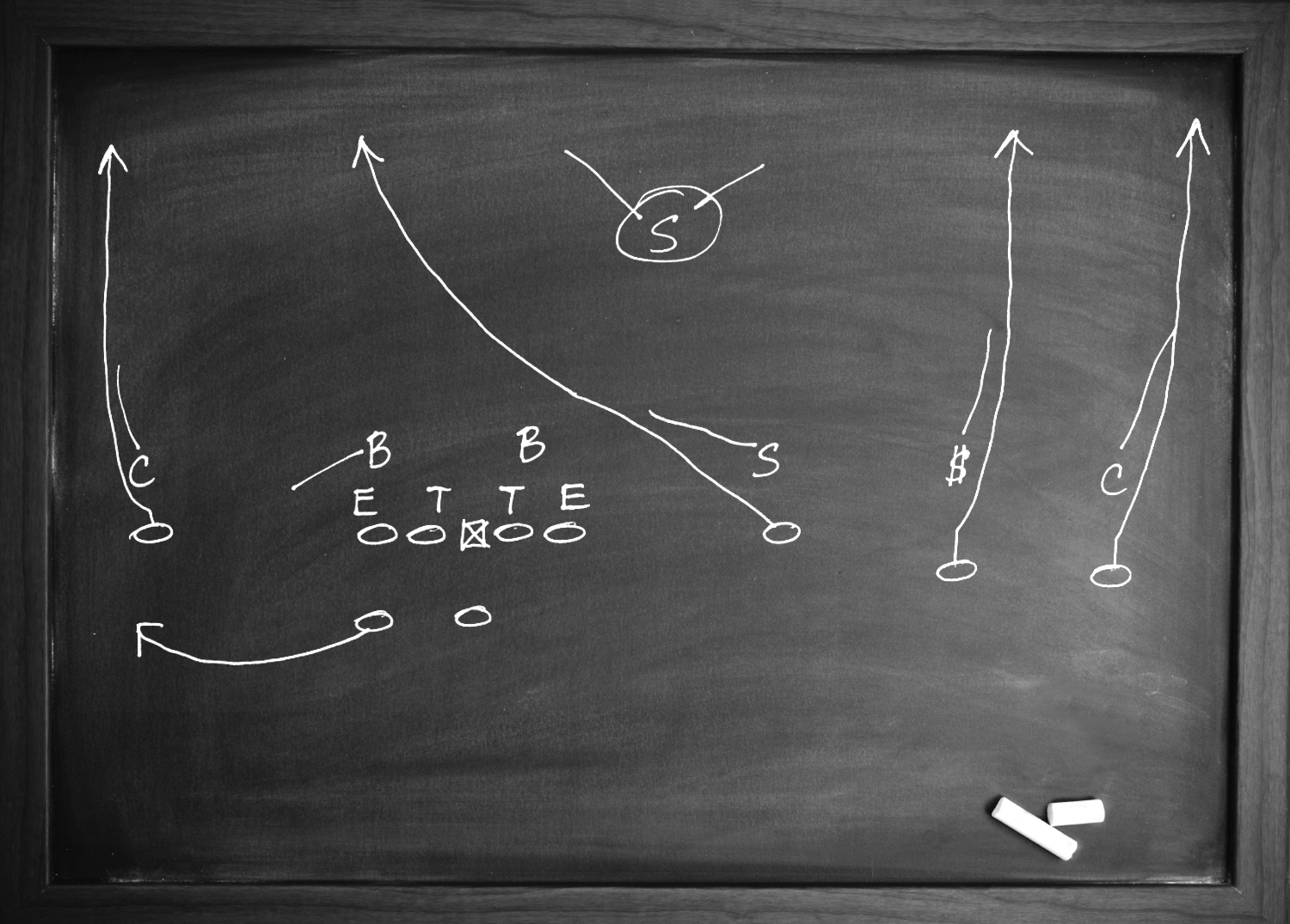
the QB has several options. He can read the safety and choose to throw the ball the opposite way of where the safety goes. If the defense blitzes, then the QB still has a couple of options. He can quickly throw to one of the fades on the outside or check down to the RB. If the middle of the defense is vacated on a blitz, then the QB should check the crossing vertical. If the crossing vertical is not open right away, then the QB should go to one of the fades or the RB out of the backfield. The same rules apply for man coverage with a safety or with no safety in the middle as well.
The “Switch” Adjustment vs. Man Coverage
In this variation, the receivers “switch” which vertical they are going to run (See Diagram 6).
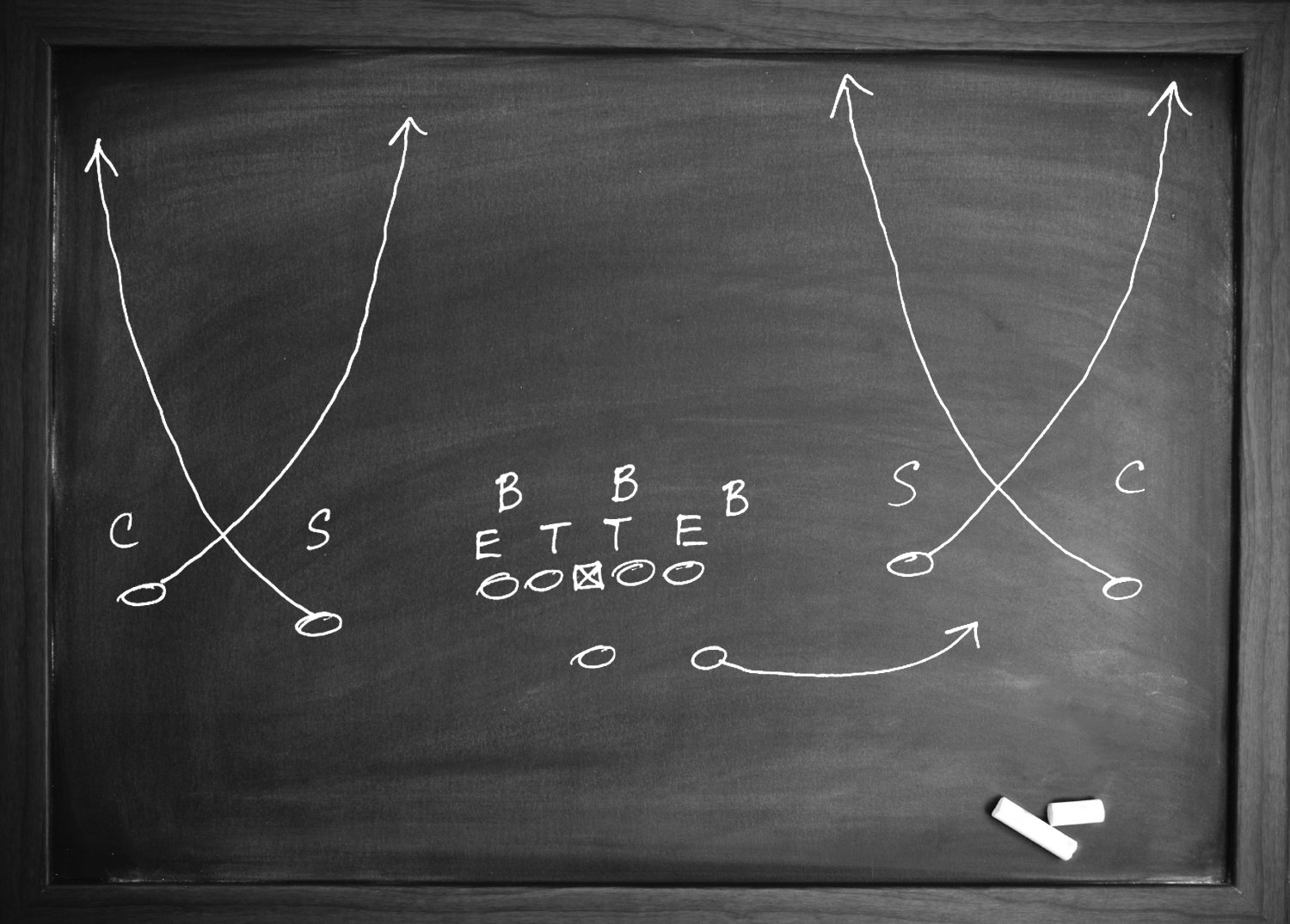
The outside receiver will run inside down the seam and the inside receiver will run down the numbers, looking like a wheel route. This is an easy adjustment vs. man coverage to create either confusion or a natural pick among the defenders. This can be an automatic adjustment of the receivers and QB.
Using the RB in the four verticals
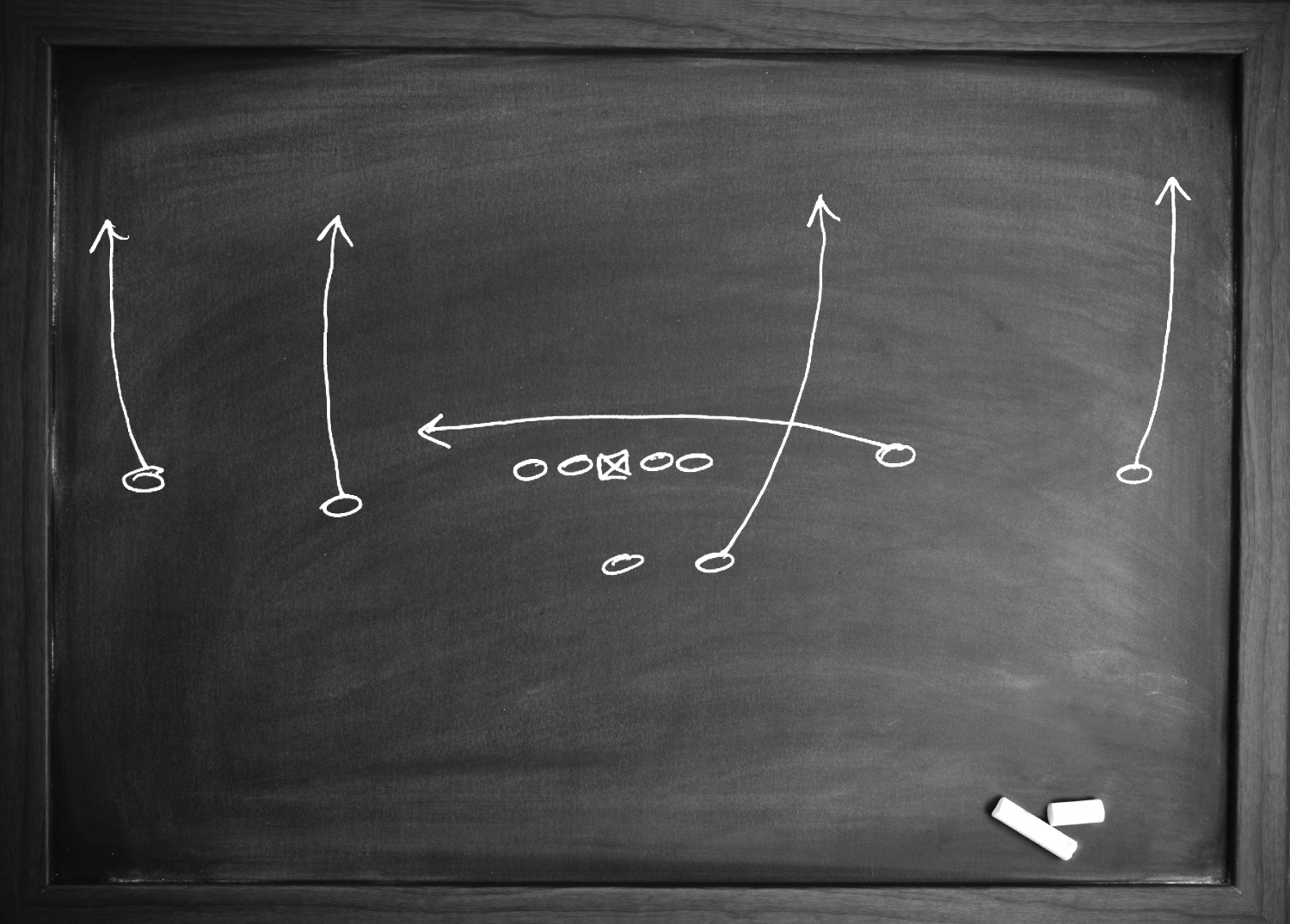
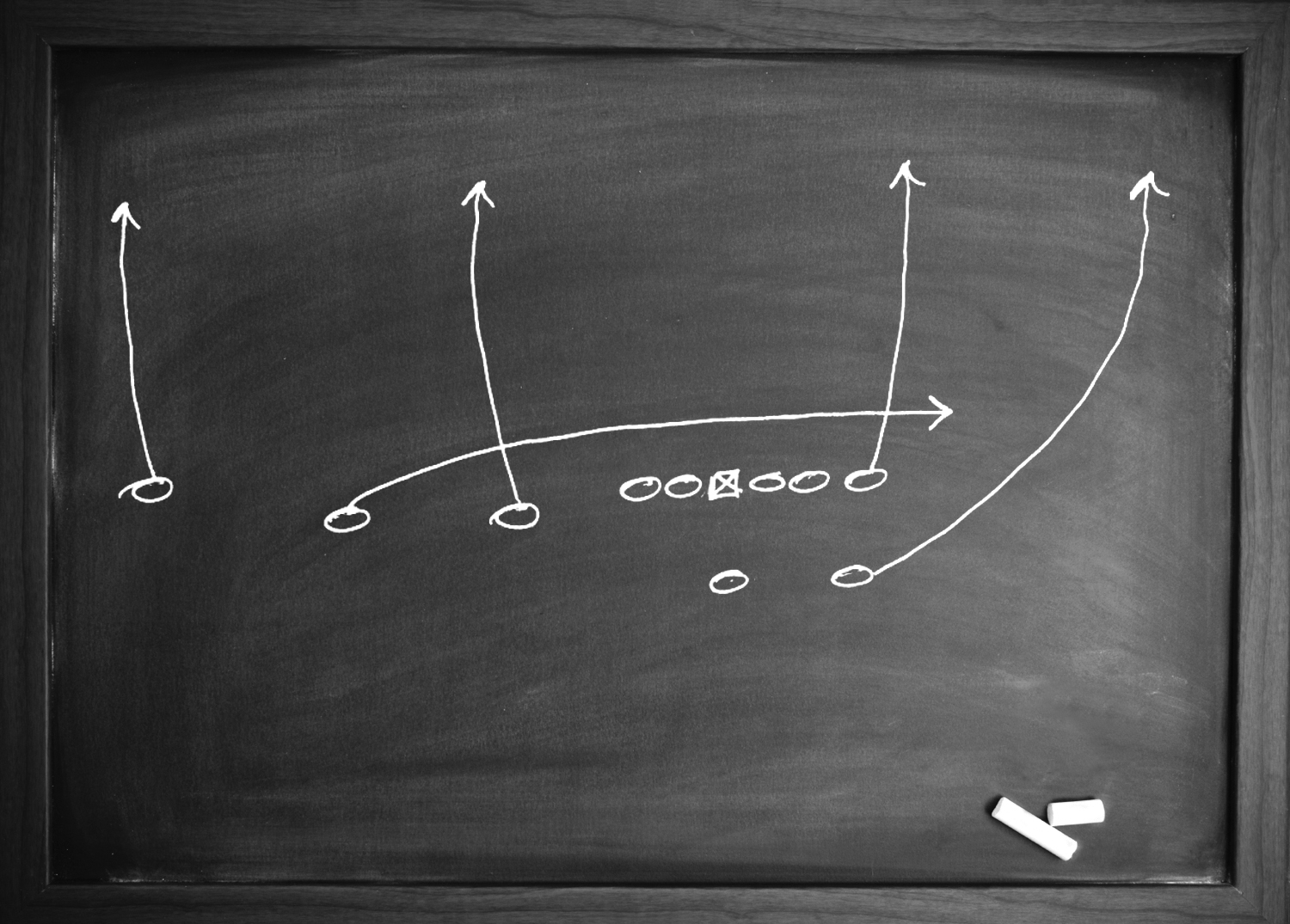
Getting the RB involved in the four verticals play can create advantageous match-ups for the offense, especially if you have a fast RB. The defense can sometimes forget that a RB can be a vertical threat or use a LB to cover the RB, which is a match-up that favors the offense. Below are a few examples using the RB in four verticals (See Diagrams 7, 8, and 9).
About the Author: Dustin Humphries is in his second season on the staff at Tates Creek High School (KY). He is coaching wide receivers, kickers, and punters. Humphries previously coached with the Kentucky Horsemen of the Arena Football League (af2) as an offensive assistant and quality control coach. He graduated from Samford University in 2006.