This is not intended for the coach that desires the hurry up, no huddle concept of football that is embraced by so many coaches in today’s game. It is a traditional approach to the clutch moments before halftime or the end of the game. Often, a score at that time can be the difference in winning and losing in dramatic fashion. Our hurry-up package is something that has helped us in key situations throughout the years. The ease in which it is installed and practiced has made us an effective two-minute team when the game situation dictates it. We have had several drives at the end of a half (or game) that have changed the complexion of that game.
Keys to Successful HUO:
• Simple and concise. Can we keep wording and memory down to a minimum so that we can focus on execution? We also want our package to be small enough to practice every play in the HUO in a short amount of time.
• Multi-faceted, even in simplicity. We must be able to attack anywhere on the field.
• Own clock management. If we do a good job throughout the game in handling play calling, substitutions, timeouts, etc., then we will probably have enough time to run whatever we want.
Base Formation: (See Diagram 1)
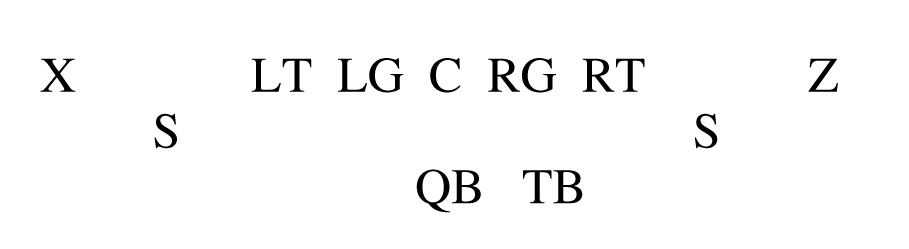
We base our hurry up out of the shotgun with double twins. This formation gets a spread from the defense that should allow opportunities for athletes to make a defender miss and then make a big play. If they do not balance up – then you can exploit that weakness with either a signal or simple quarterback recognition.
The tail can offset either way on plays that it does not matter. This way there are no tendencies, even in our hurry up. By using this same formation every time in HUO, we eliminate any question as to how to line up. This saves a lot more time than you would think.
COACHING POINT: To kill the clock, the quarterback must be under center. Do not assume they know this.
We are not a four wide team at all times. We do run it enough that it is not something totally different from our normal scope of offense. This simple system can be made to fit whatever scheme you run on offense.
Number of Plays and Numbering System
We have six plays in our HUO. In choosing our six, we made sure to pick six plays that also get a lot of reps within our normal offense. This ensures that the HUO package is very familiar to all players in all types of field and time positions. We have four passes and two running plays:
Passing Plays: 91 Corner; 92 Arrow; 93 Corner; 94 Jet
Running Plays: 34 Zone; 14 QB ISO
* Our communication system is simple. Each play has a one digit tag for it.
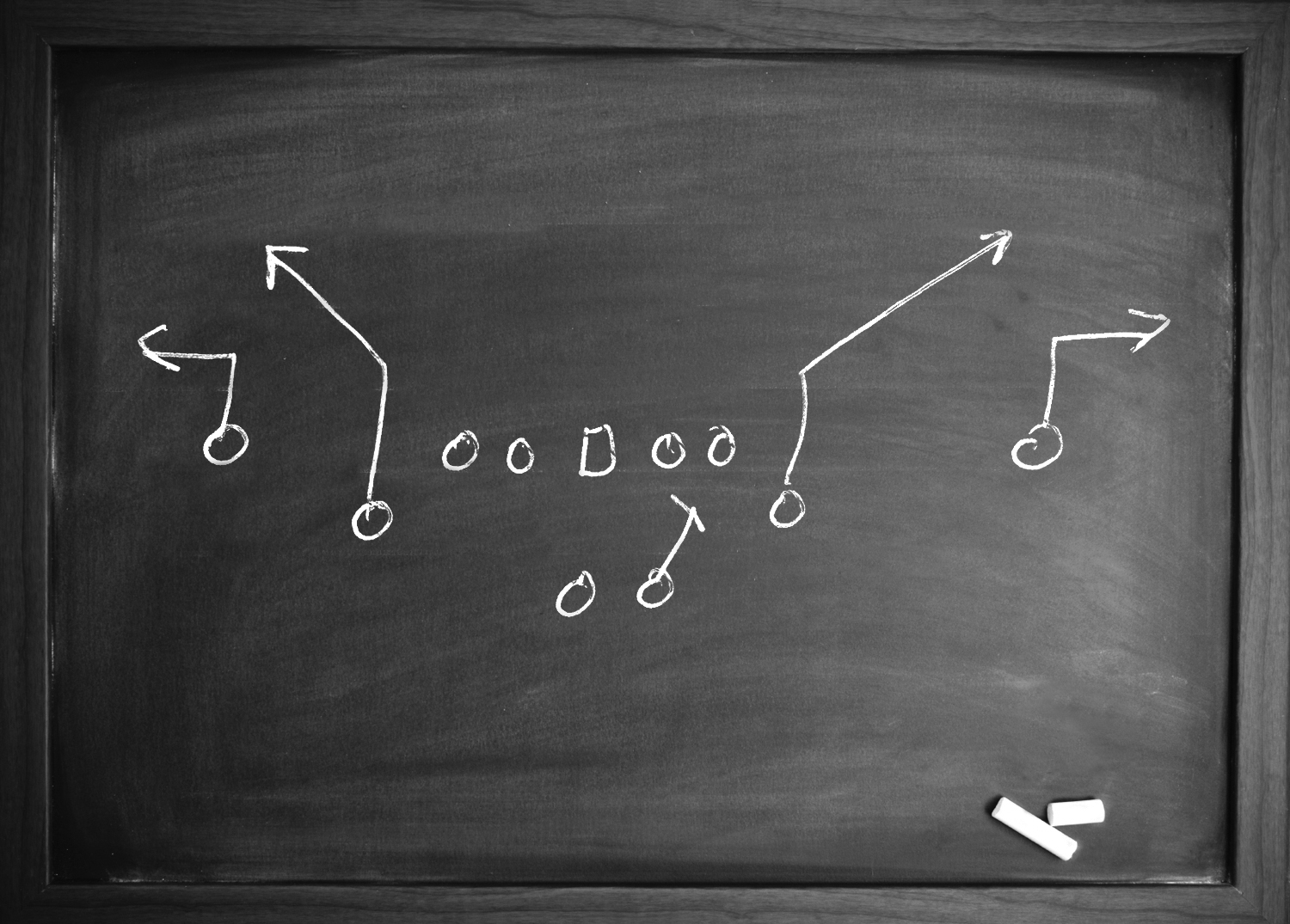
1=91 Corner (Diagram 2)
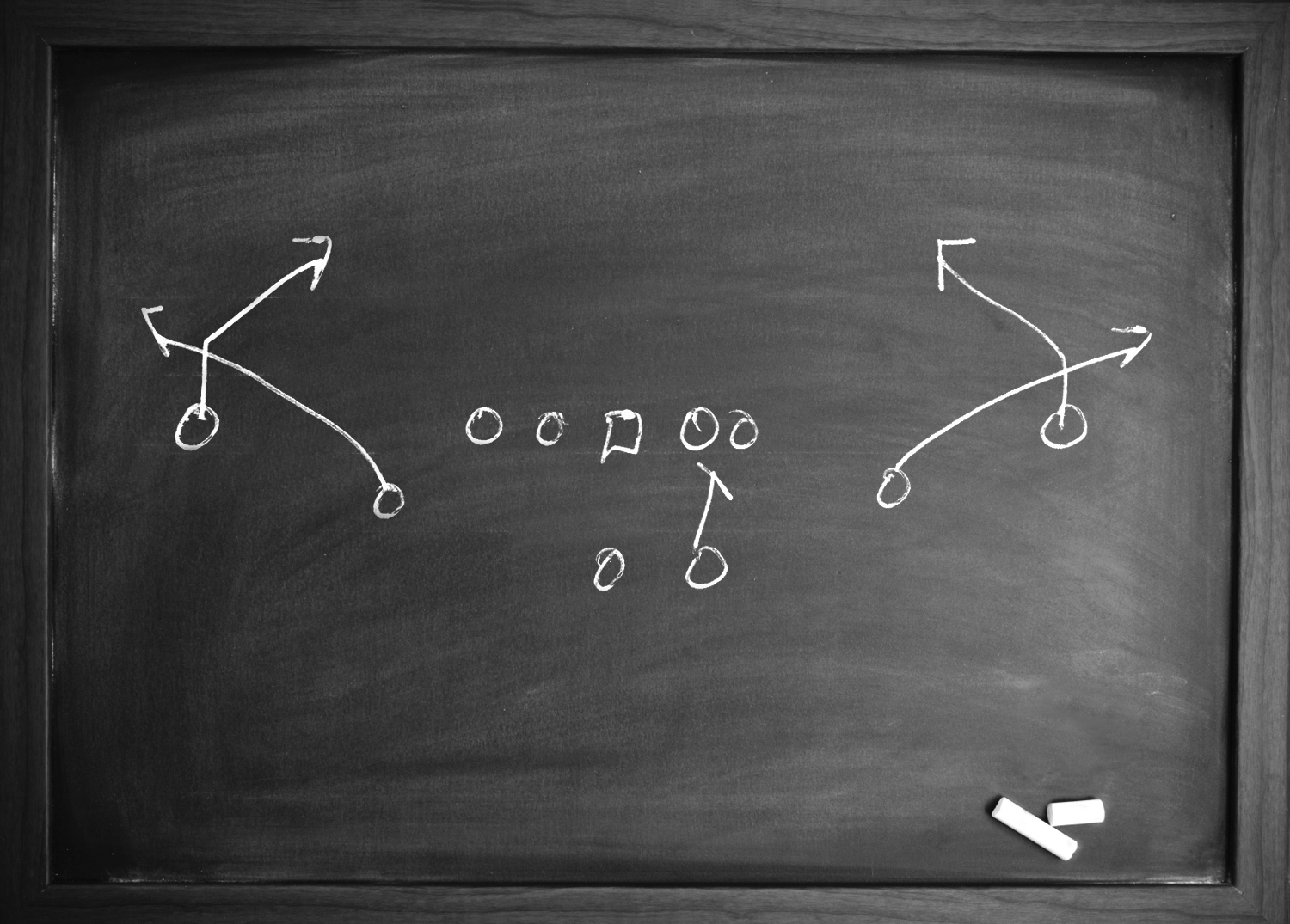
2=92 Arrow (Diagram 3)
3=93 Corner (Diagram 4)
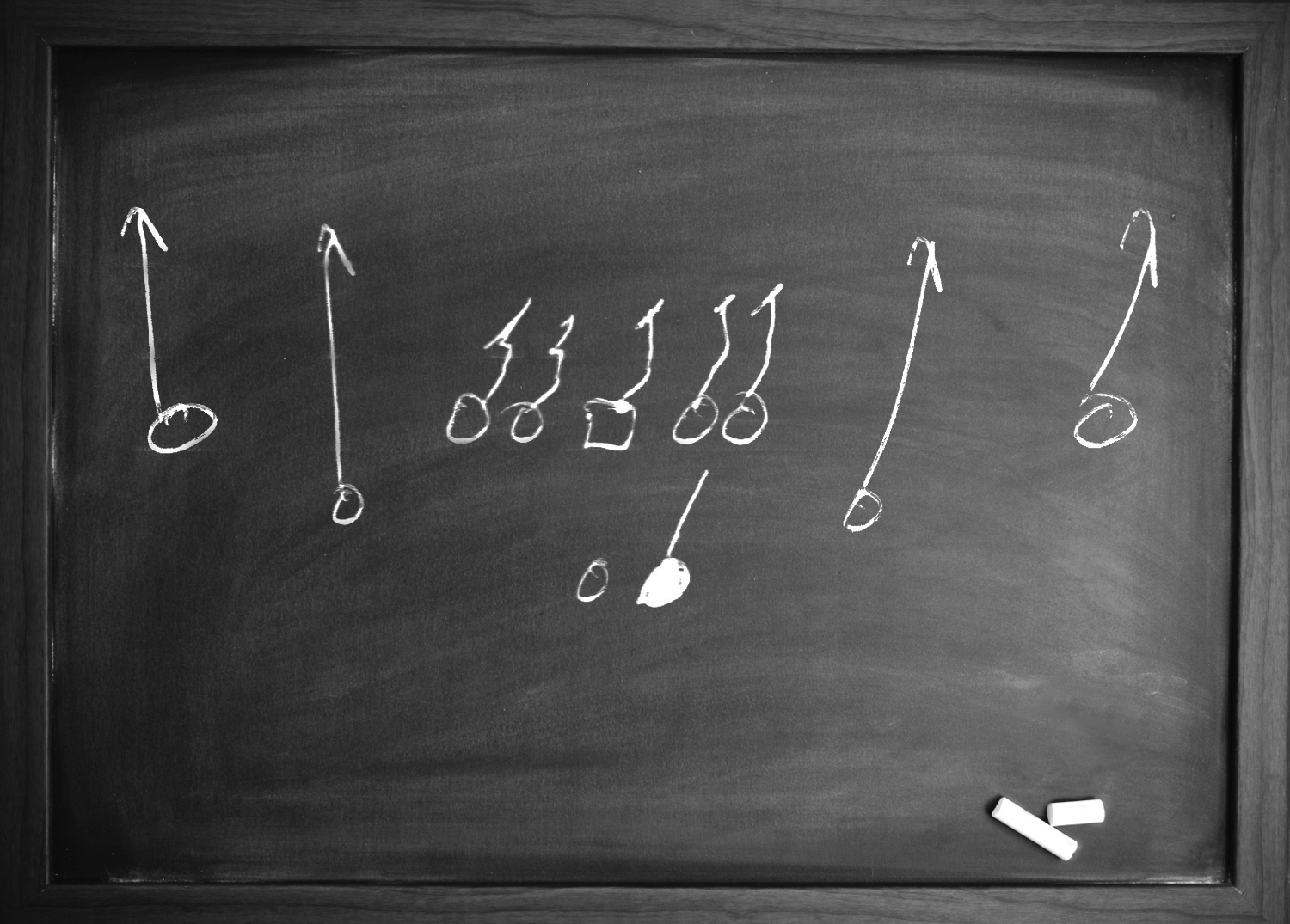
4=94 Jet (Diagram 5)
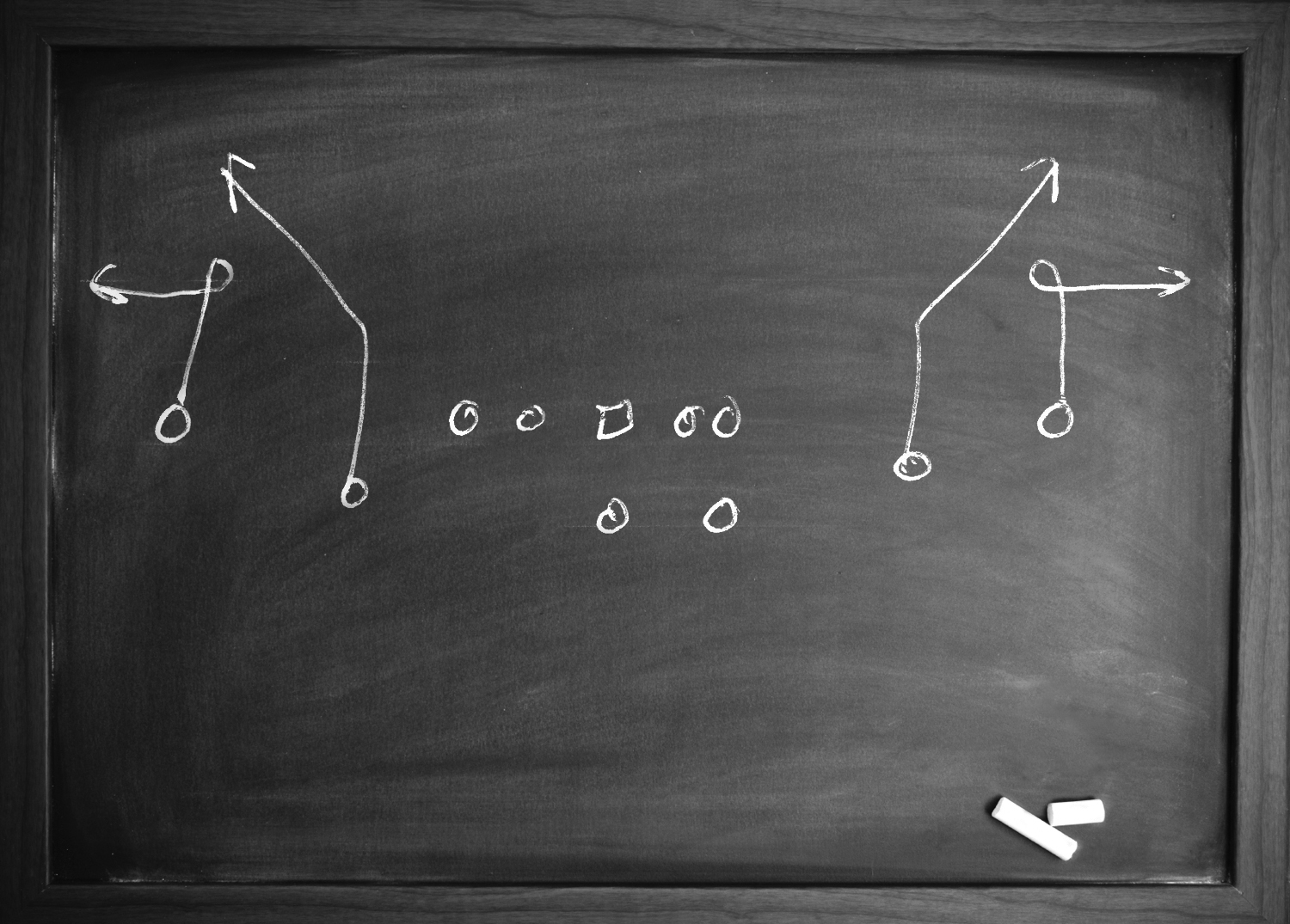
5=14 QB ISO (Diagram 6)
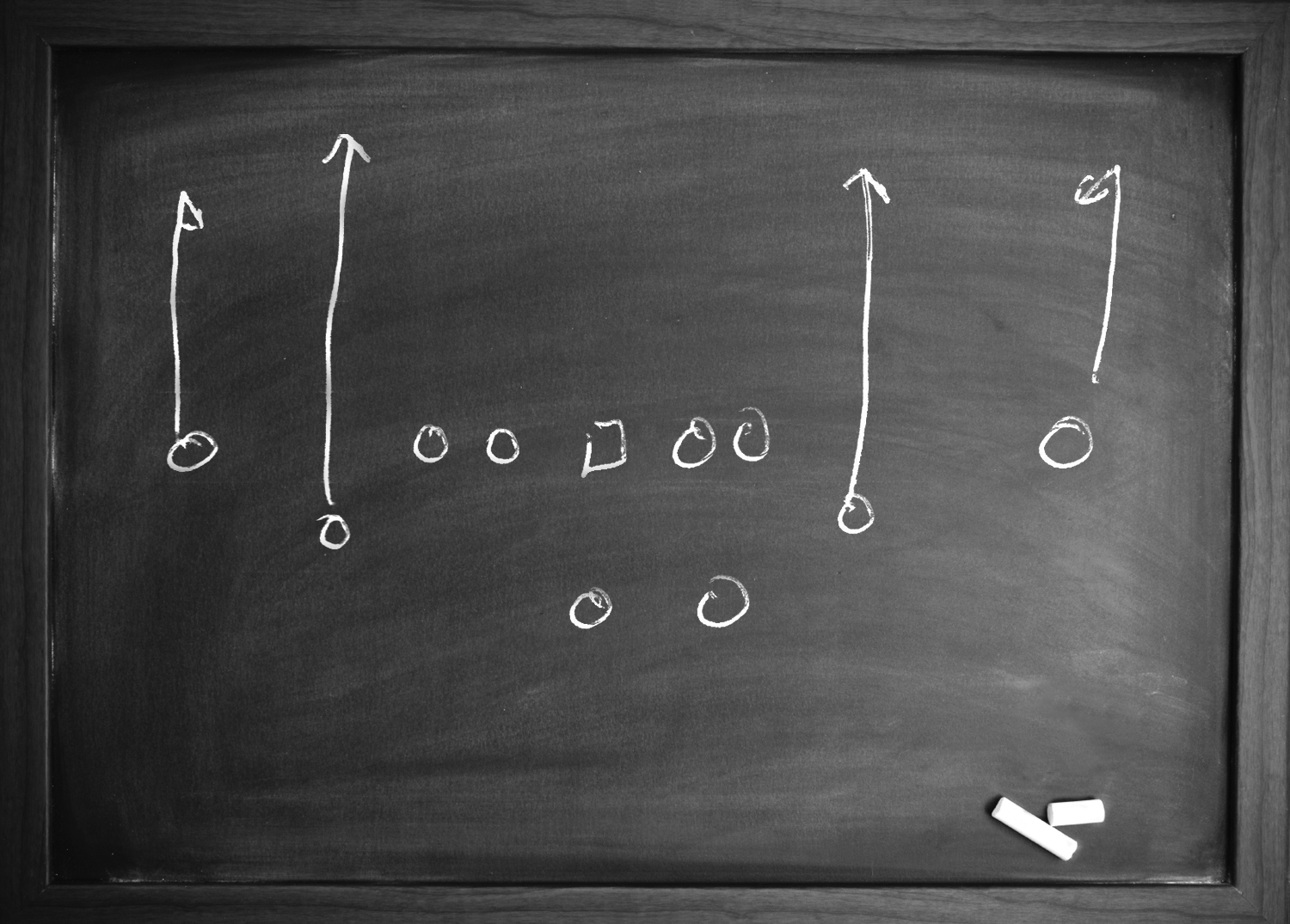
6=34 Zone (Diagram 7)
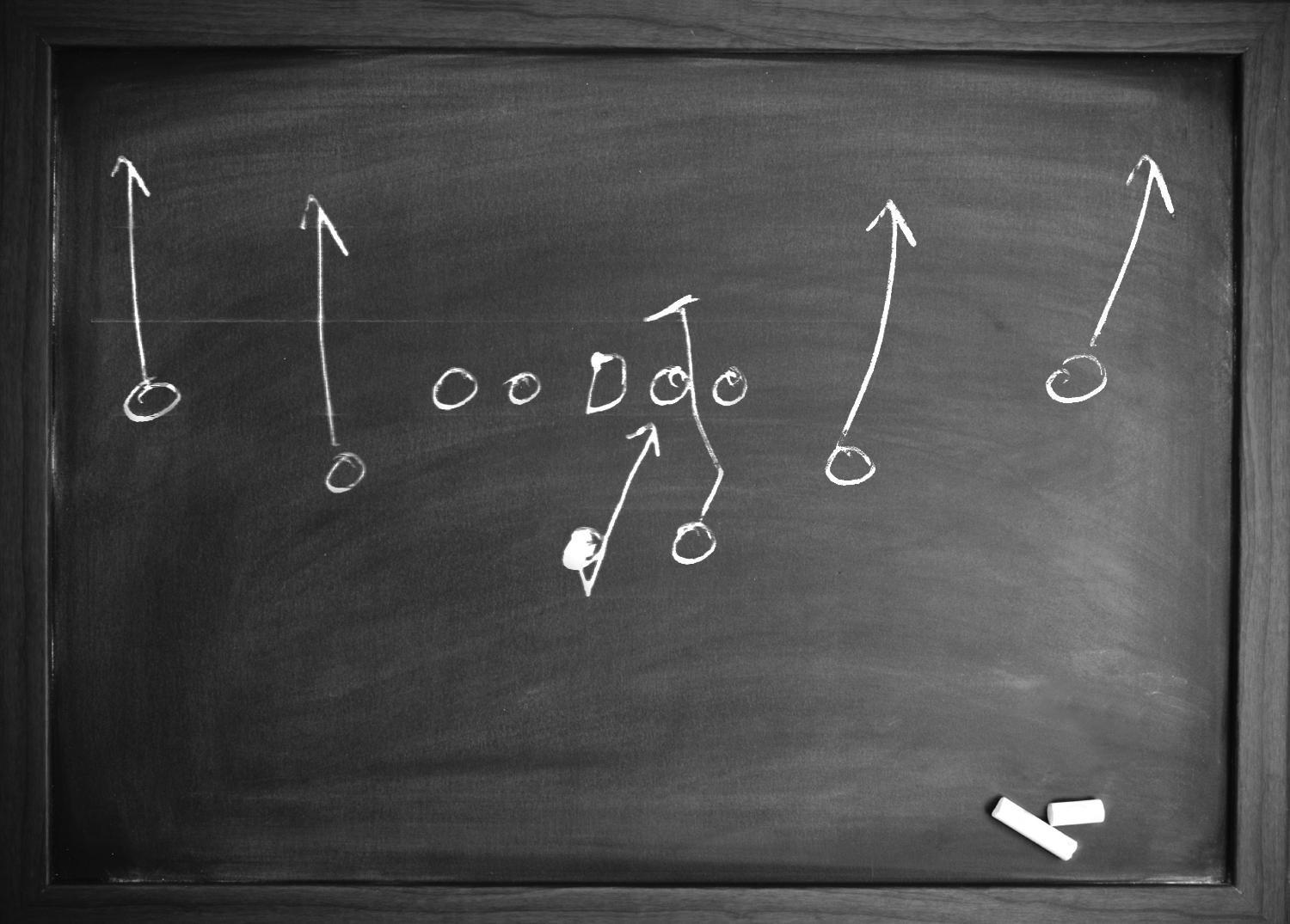
You can see that the four pass plays require very little coding. Just the zone and the QB ISO require putting two and two together. This is the simplicity that makes execution possible in crunch time.
Passing Game:
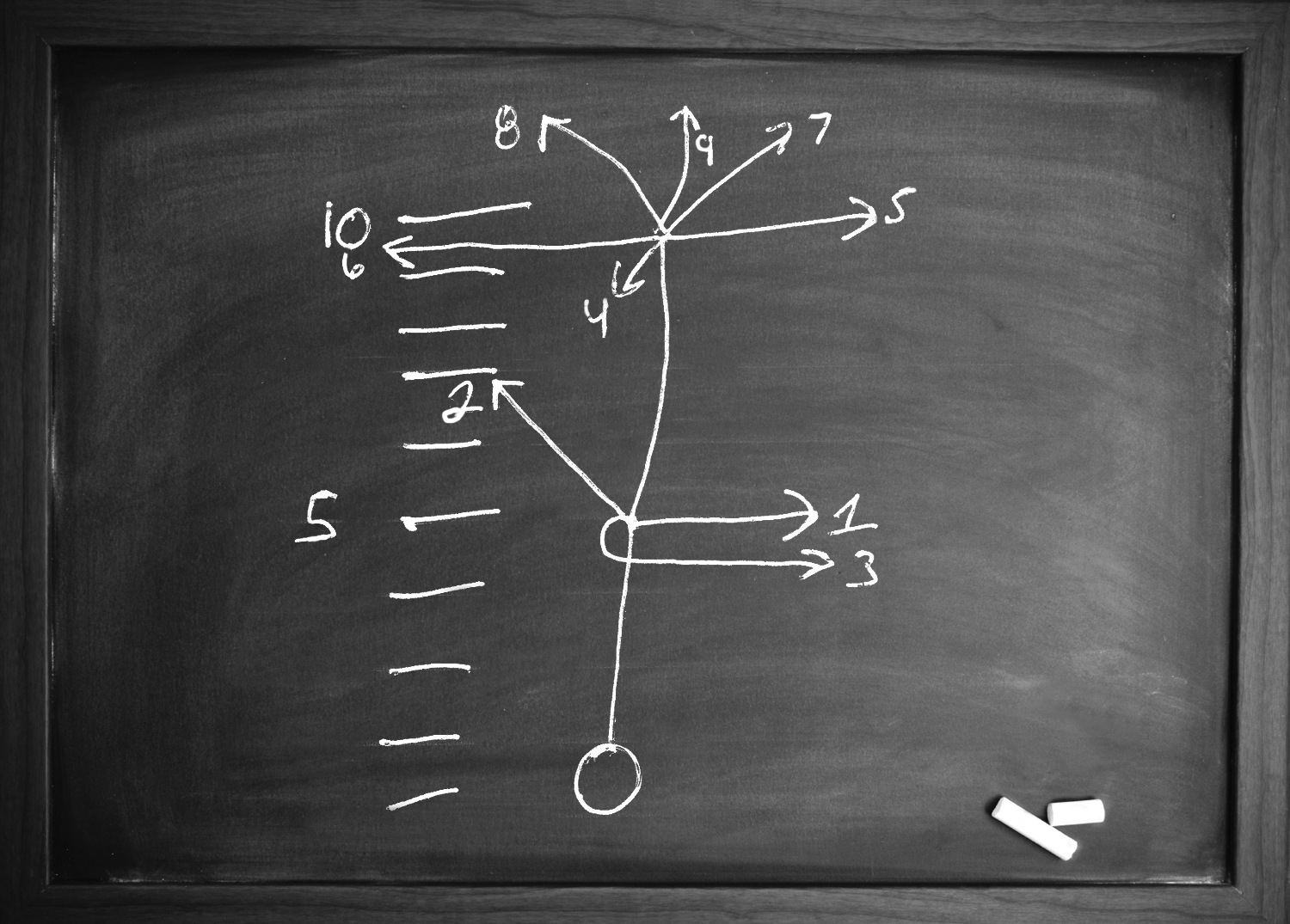
The 9 in 90 denotes a three-step drop for the quarterback. An important thing to remember is that the defense will often be in some sort of soft drop or prevent defense. The QB must be aware that he likely will more often than not have a regular 3-step drop. He must be coached to recognize the defense and get the ball away accordingly. The second number is the route of the outside WR (Z or X) as it pertains to our route tree (See Diagram 8). The word description is the inside slot’s route.
One is play 91 Corner. Both outside receivers run a 1 route (for us that is a 5-yard out). The inside slots will run a corner route at the depth of the corner or at 8-10 yards depending on the coverage. The line and back block for three-step protection. The quarterback’s rule is to pick the best side by numerical advantage, field advantage, and/or personnel advantage. He will focus on that side and look from the outside-in on his progression. If all the options are covered, the quarterback cannot hesitate and take a sack. His golden rule is “never take a loss of yards or time”. He must scramble for positive yards, looking to get out of bounds or better yet make the big play. He can also throw the ball away. He must not get a grounding penalty.
COACHING POINT: Again, he must be coached, taught and shown what is and what is not grounding at the high school level.
When signaling from sideline to field you can add any digit or two in front or behind the coded number. Just make sure that you and the offense are on the same page as to what number is live. Do not worry about the defense picking up on it. They have enough to worry about. Besides, if everyone has been taught well and gets good reps—you’ll be in the end zone before you have run too many plays.
Our system for the two-minute drill works very well for us. It has basically been installed throughout the summer within our regular offense. Once we talk about the numbers 1-6 for a few minutes, our team is ready to run it immediately. This philosophy of simplicity and reps has always led to success in football.