At the University of Charleston, I have been fortunate to work with an outstanding head coach, Tony DeMeo, who is not only a great innovator, but a great teacher as well. Together, we have been able to develop the Gun-Triple Option offense and help the University of Charleston achieve a new level of success. The efficiency and explosiveness of the offense is due in large part to the development of our offensive line. Scheme understanding and skill mastery are the major reasons we have been successful. This article will primarily address the offensive line blocking progression for “crease blocking” (double-teams) used in our offensive system.
First and foremost, our offensive linemen need to play with a nasty demeanor. We are not a finesse offense. We need to play hard and fast. We need to come off the ball low and hard with great intensity. Regardless of your size, you can always play in our offense if you “smoke” off the ball.
A. Stance and Start
We will always work from a two-point stance on run and pass plays. We believe that what we gain in vision and defense recognition from a two-point stance is greater than what we might sacrifice in speed and leverage. Players will start with a toe-to-instep relationship (inside foot up, outside foot back). Feet should be no wider than shoulder- width apart with the toes pointing straight ahead. Players will squat into the same ready routine they are used to when getting into a three-point stance. We will bull the neck back to scan the defense. We will lay the forearms on the thigh boards and pinch the elbows tight.
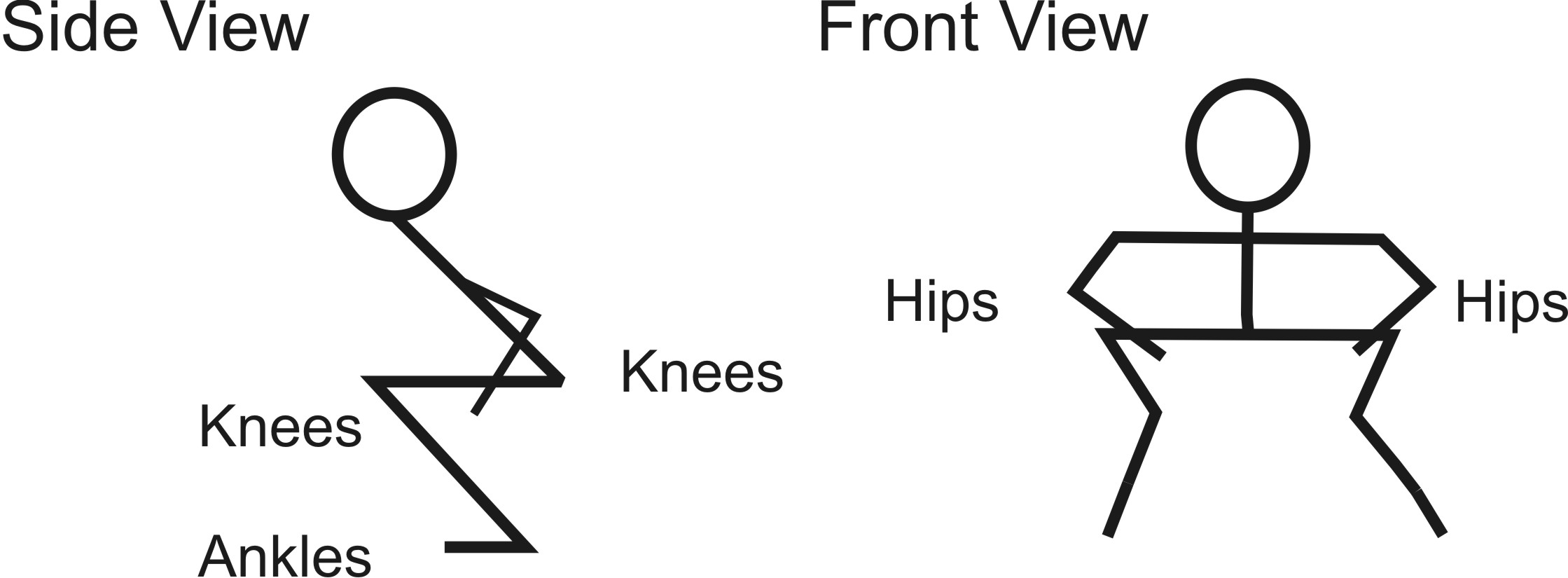
Weight distribution should be 60% forward and on the push-off foot. From a side view, we will be able to identify power angles in the ankles, knees and hips. From a front view, we emphasize pinching the knees inward which is the fundamental aspect for explosion and leverage from offensive linemen. Keeping the heels on the ground and pinching the knees inward will prevent false steps and maintain leverage on takeoff (See Diagram 1).
B. Steps and Footwork
For offensive linemen drill progression, there is no substitute for chutes and boards. All of our drill work will begin in the chutes and we will add the boards as we progress. In pre-practice, the OL will get the hips loose by squat-walking through the chutes (lengthwise). Then they will do leg swings and knee rounds.
During individual work, we will start in the chutes doing stance and takeoffs. Emphasis should be on: (1) good eight-inch power step; (2) rolling the back knee for leverage; (3) pads-on-pads body position; (4) good arm sweep; and (5) neck bulled back. These are all done from a good stance, right foot then left foot lead and done two times or to the coach’s satisfaction.
1. Smokes – Good stance, fire off the ball, no false steps. Looking for speed.
2. Crabs – Takeoffs into four-point crab block. Looking for speed and athleticism.
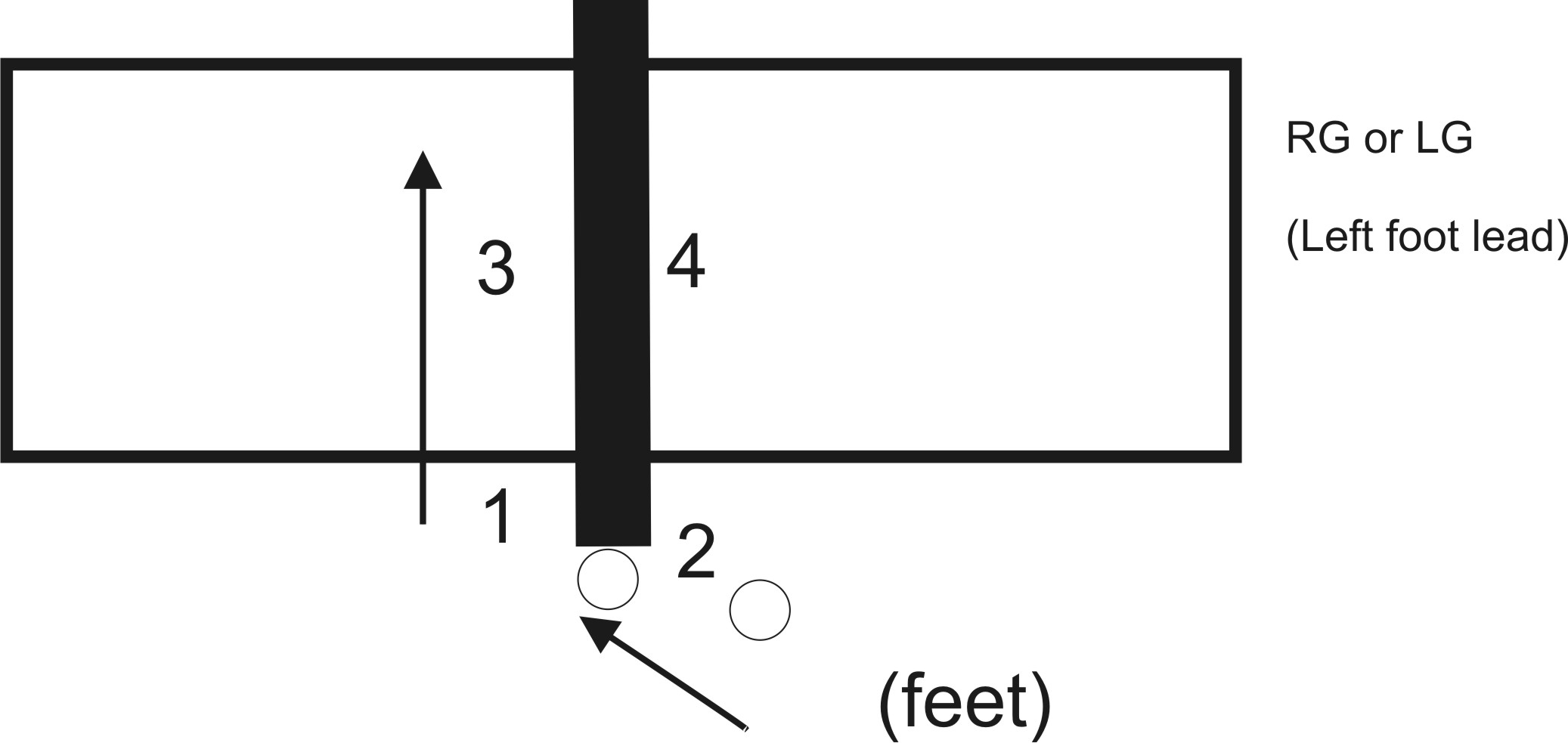
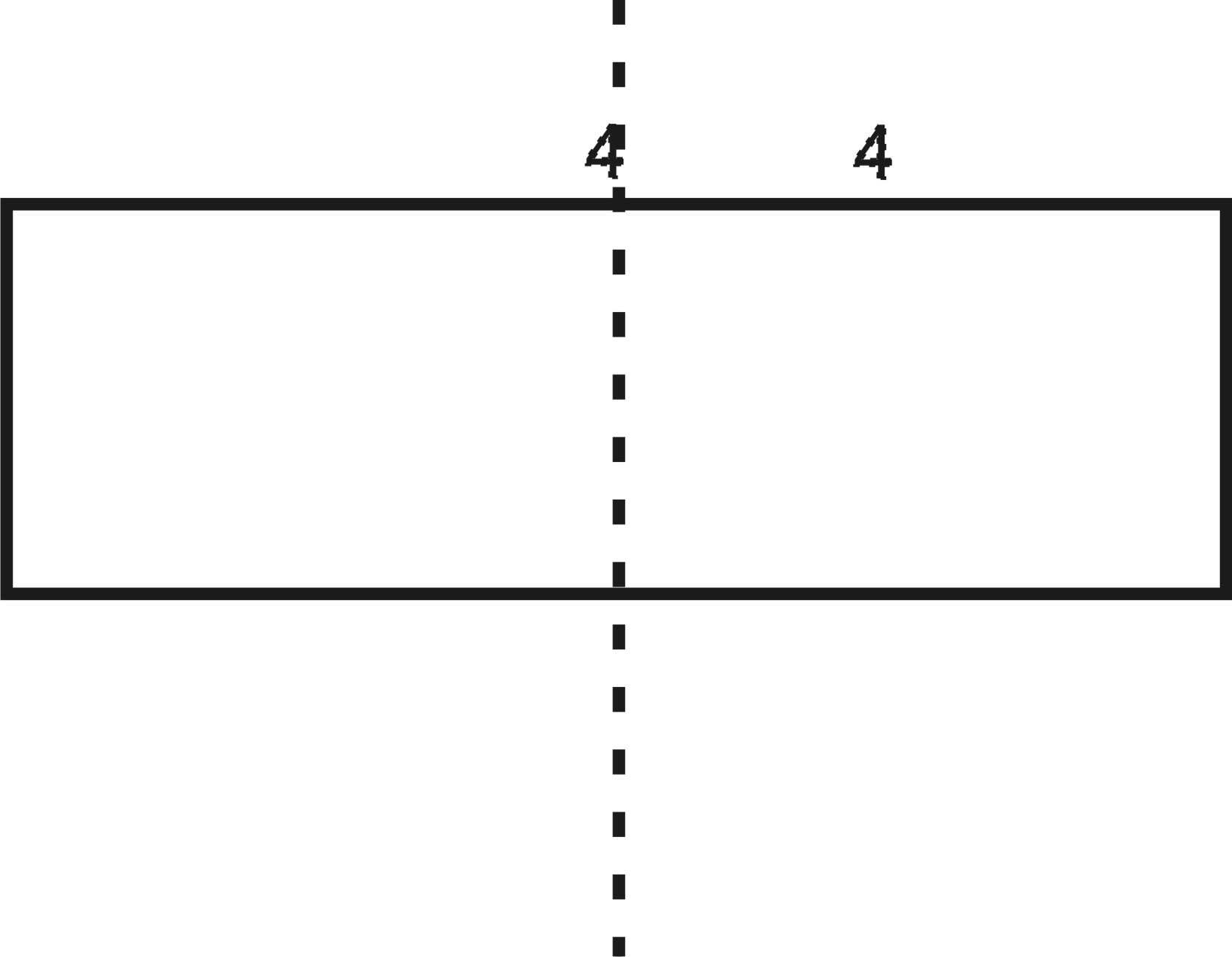
On the next set of drills, we will take the first step and freeze the body position. Then we will reload and take the first two steps and freeze the body position. We want to punch the second step in the ground using the same tempo as the first. Then we will reload and execute the block all the way through the chutes. Emphasis will still be on the same traits we identified above (See Diagrams 2-5).
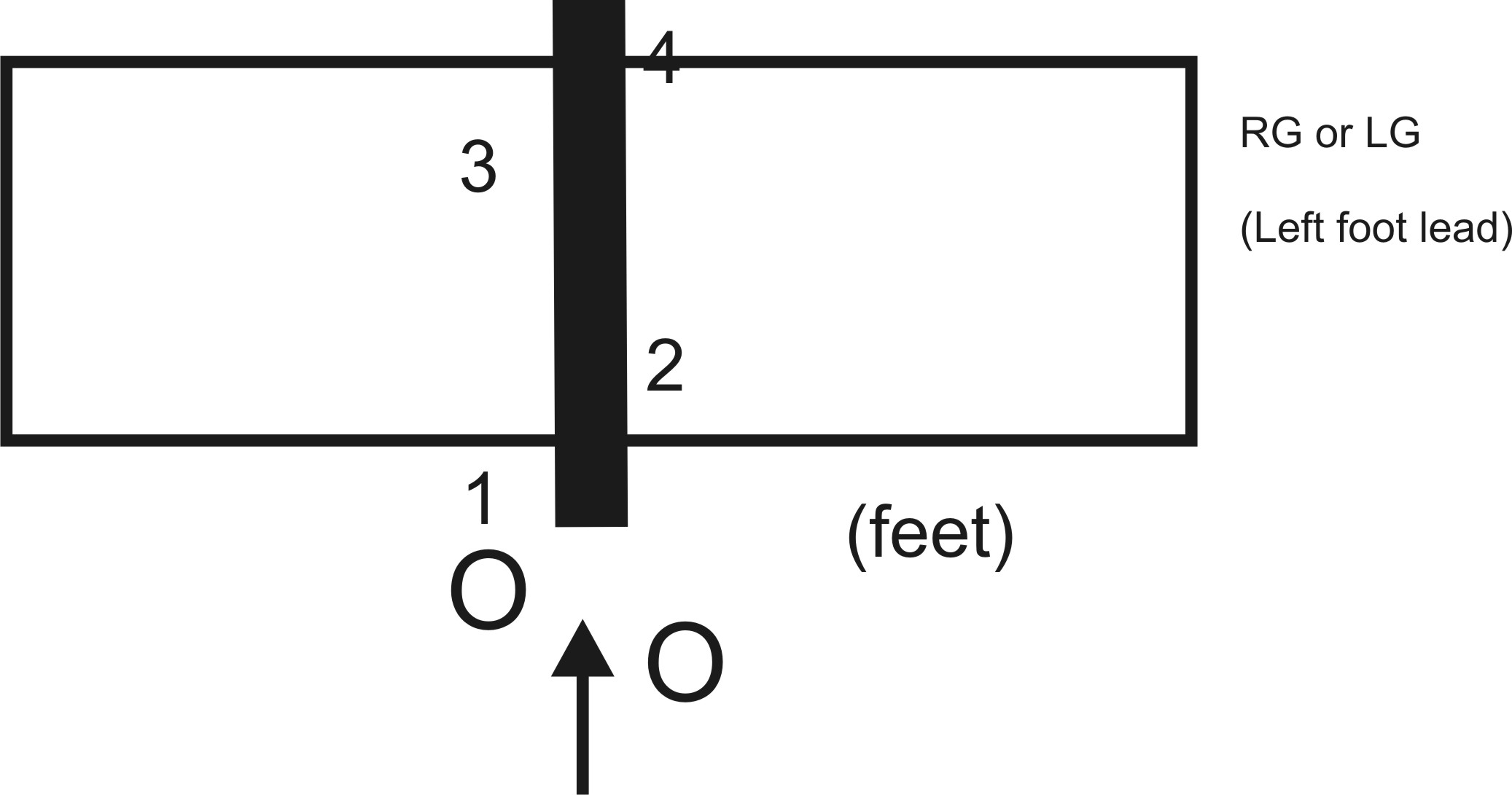
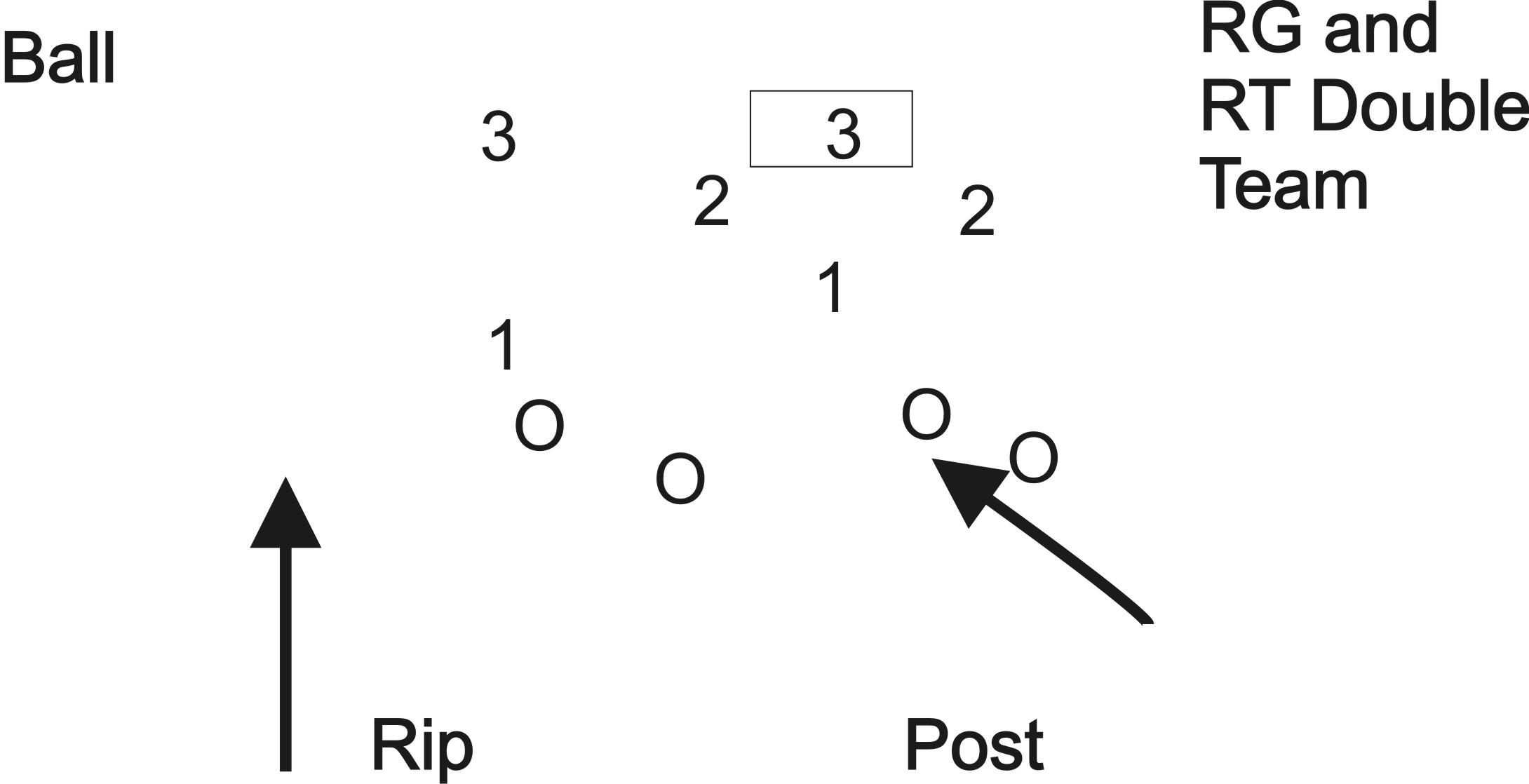
1. Boards – Drive – Square up on board, 8 inch vertical power step, roll the back knee for leverage.
2. Boards – Veer – Tuck veer foot under board, 8-inch step on 45 degree angle, roll the back knee for leverage. Start on 45 degree angle, then work vertical.
3. Doubles – Blast – Double team blocks, blocking a bag, matching steps, post man and rip man.
A. Post technique – Veer steps, good arm sweep, make contact on second step, inside hand on sternum, outside hand through near number, accelerate feet on contact.
B. Rip technique – Drive steps, good arm sweep, make contact on second step, rip forearm up under shoulder pads and through near number, keep inside arm free by pumping it, accelerate feet on contact.
COACHING POINTS: 1) Both OLs must “match steps” in length and tempo. 2) Both OLs will keep shoulders and hips square to the LOS throughout the duration of the block. 3) Both OLs will get hip-to-hip, shoulder-to-shoulder driving the DL vertical downfield.
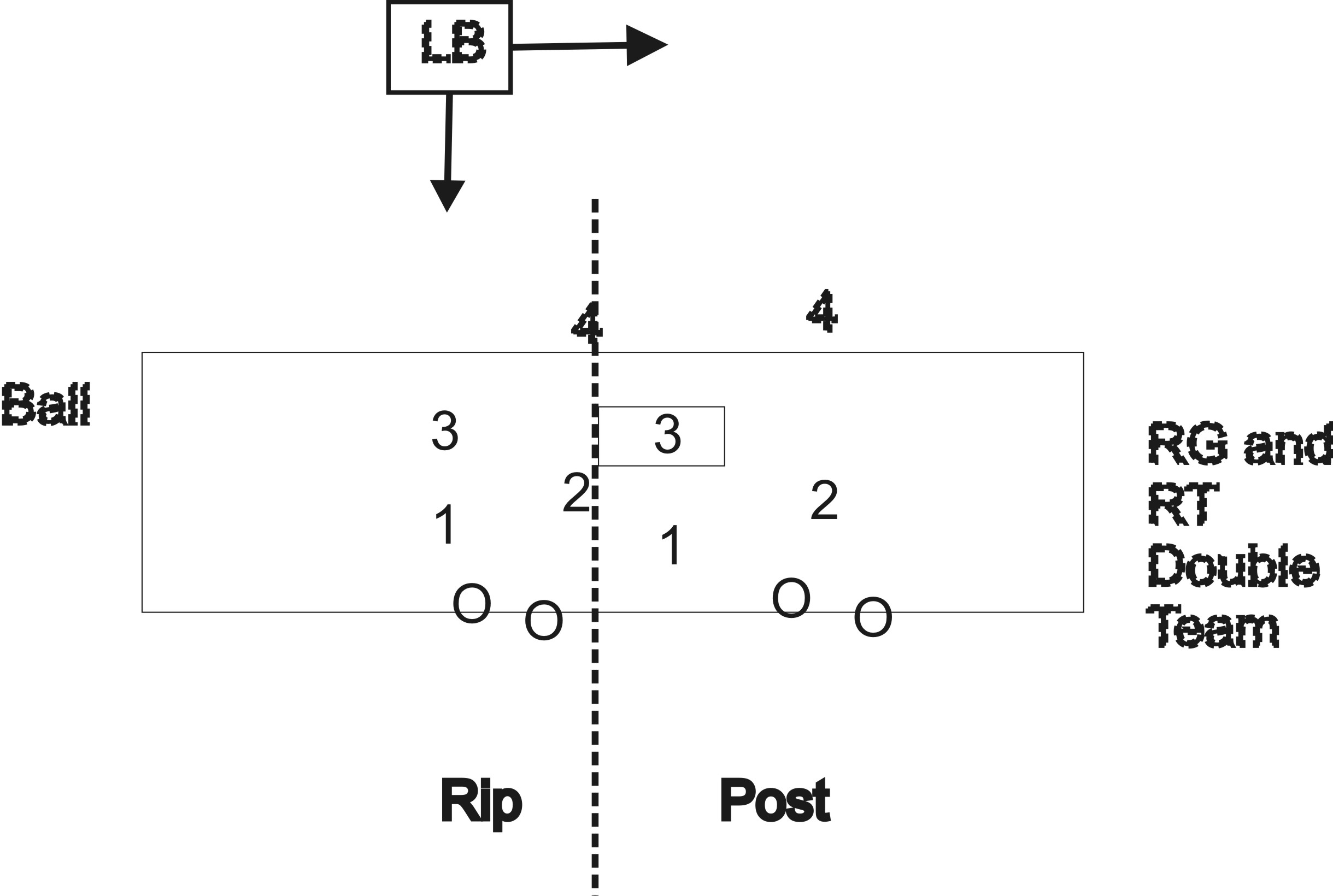
4. Doubles – Reads – Same double drill but incorporate a LB to read and block.
A. Post technique – Same as above. We will drive roll and finish on the defender.
B. Rip technique – Same as above. We will try to get three steps of movement on the DL before we come off for the LB. We will only come off if the LB plugs. We will stay on the double team and fully commit our inside hand if the LB moves laterally.
The next set of drills will be done on the one-man sled. We use this to emphasize balance and base. The sled will be set on a yard line working across the field to ensure the linemen are working in a straight line. A coach will stand next to the lineman holding a stick over his head to ensure he stays low out of his stance. We can also use the one-step, two-step progression if the technique is not perfect. These are all done from a good stance, right foot then left foot lead and done twice (See Diagrams 6-9).
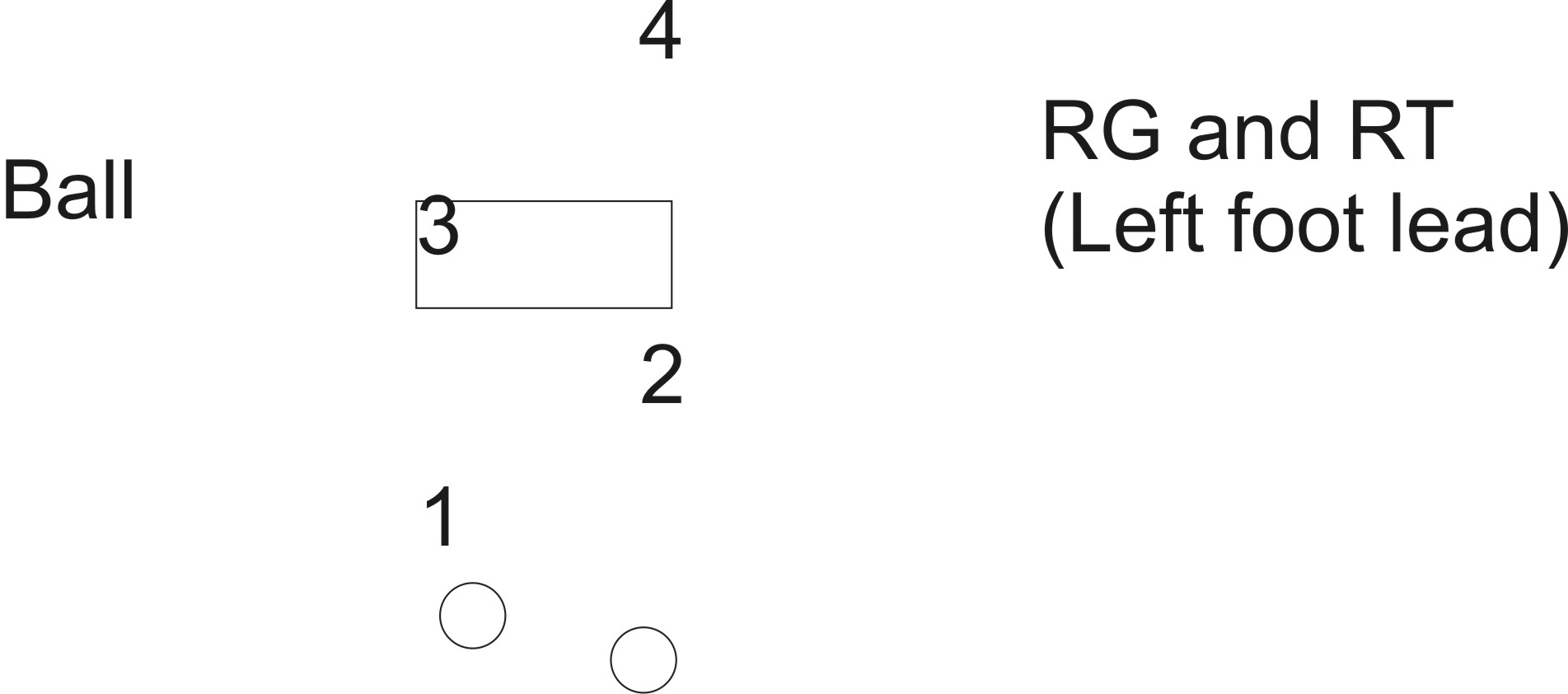
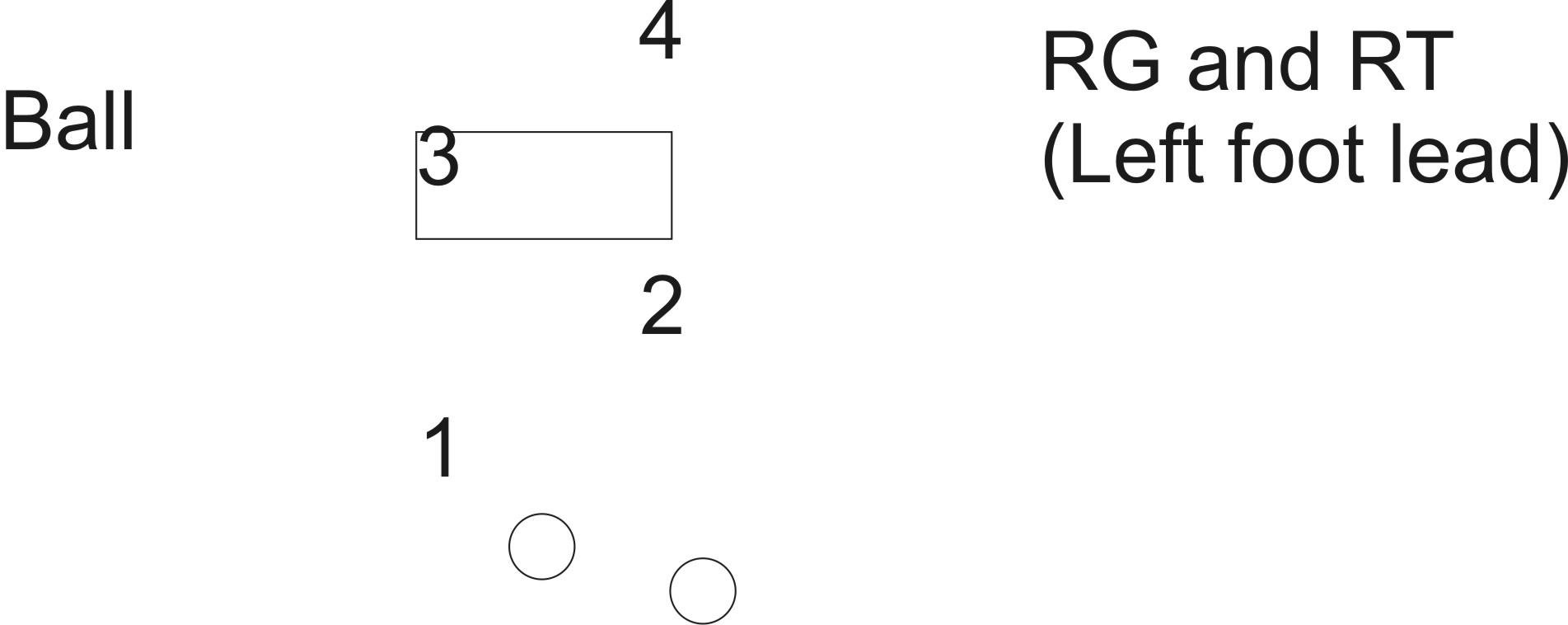
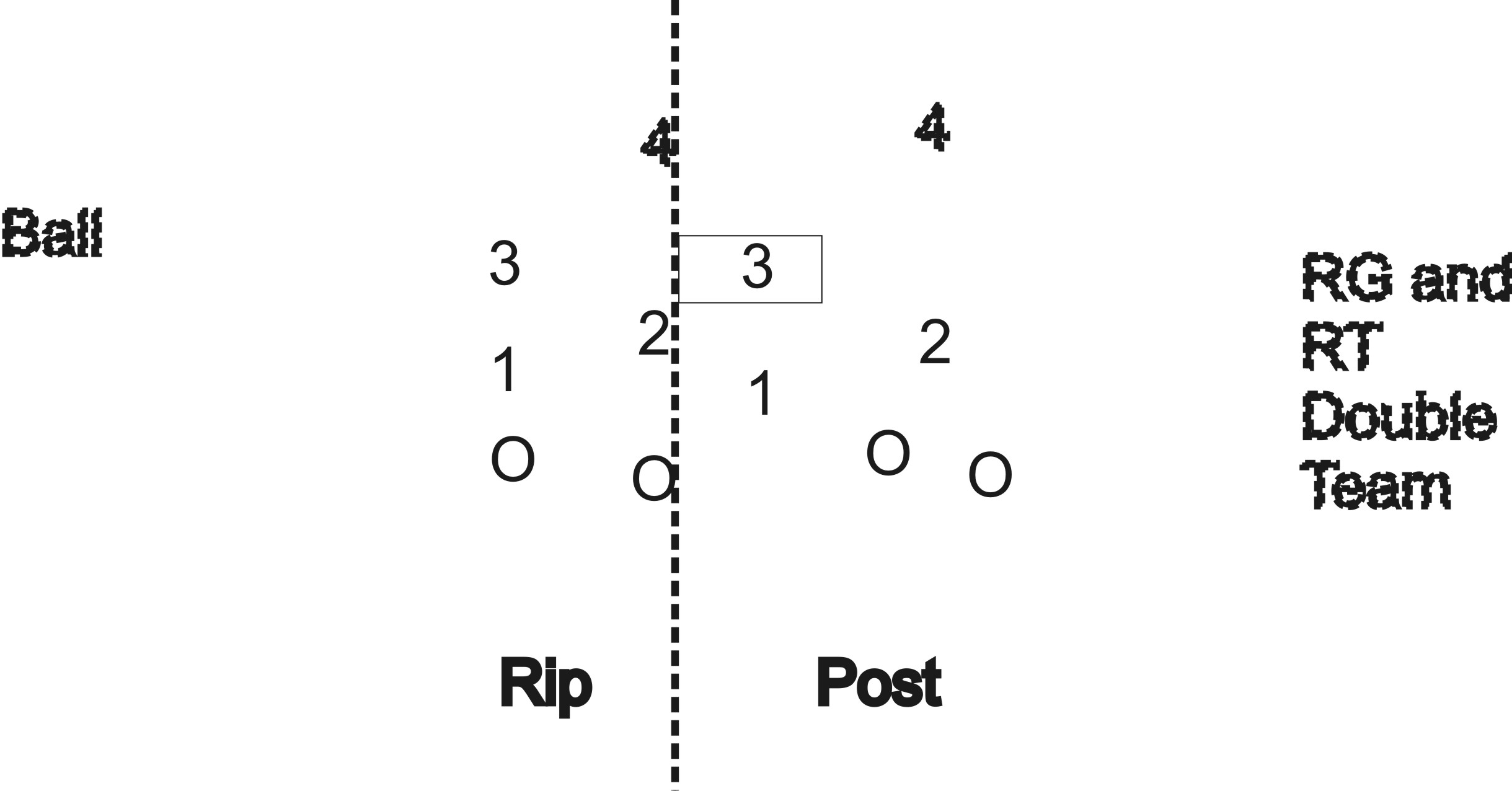
1. Drive – Square up to the sled, eight inch vertical power step, roll the back knee for leverage.
2. Veer – Off-set on sled so veer foot is centered on bag, eight inch step on 45 degree angle, roll the back knee for leverage.
3. Doubles – Blast – Double team blocks, driving the sled, matching steps, post man and rip man while staying on the block.
4. Doubles – Reads – Same double drill but incorporate a LB to read and block.
The last set of drills is done as one-on-one blocking drills. One lineman will be on offense and his partner will play defensive line. It is imperative that players are matched up according to their ability level and that the “look” player gives the best effort possible. Blocking will progress from (1) the fit position, (2) two-step explosion, and (3) blocking from a distance.
1. The Fit Position – The offensive lineman will lock into the sweet spot with his hands and hat (The Terrible Triangle). Back is flat, neck is bulled, hips are low and there is a good forward lean. On the first command, the OL will chop his feet in place. On the second command, the OL will lower his hips and drive the defender. Use short, choppy steps (punch the feet in the ground) to drive the DL directly down field.
2. Two-Step Explosion – Now the defender will back up two steps from the OL. Emphasis now is in staying low on takeoff. The coach will be looking for a low body position (pads on pads), rolling the back knee for leverage, good arm sweep and neck bulled back, eyeing the sweet spot. Contact should be made on the second step. Lock into the sweet spot and drive downfield.
3. Distance Blocking – This drill simulates blocking a LB. The OL will stay low out of the stance and find the junction point to make the block. All previous techniques are emphasized including balance and body position.
The techniques taught provide an offensive lineman with the necessary information to execute his assignment properly. In addition, if the lineman plays with great intensity and comes off the ball low and hard, he will be successful.
About the Author: Ralph Isernia has been the Assistant Head Coach and Offensive Coordinator at the University of Charleston since 2005. He came to Charleston from Bucknell where he was Offensive Line Coach. Isernia has also coached at Mansfield University, Defiance College, Methodist University and Western Connecticut State.