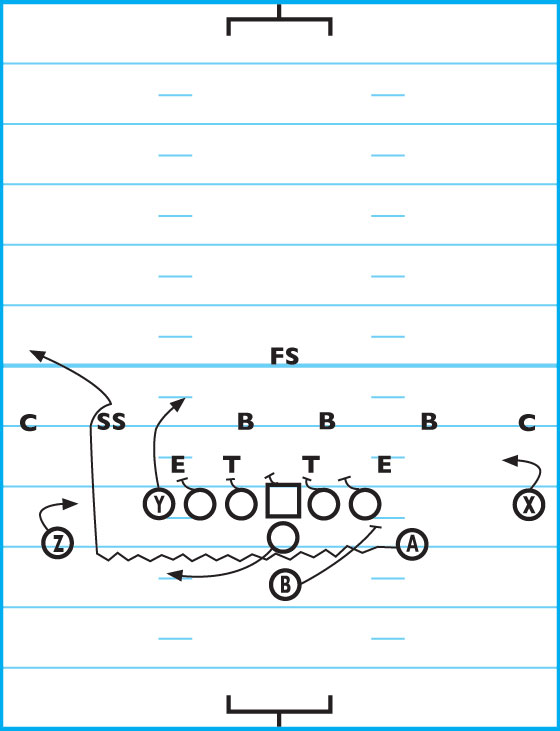
THE 3-STEP DROP series allows for easy blocking schemes and simple quarterback reads, while a sprint-out series allows you to move the QB out into space, which keeps the edge defenders from playing the
3-step-drop throwing lane.
The blocking technique for this series combines both schemes. The main difference comes from our sprint-out scheme, where we pull the center. In the combo scheme, we do not pull our center. Instead, we’ll call for max protection and have multiple hot routes built in.
All passing games should be designed with the blitz first and foremost in mind. This series combines the sprint-out movement of the QB with the route combinations of our quick-passing game, making it sound vs. man or zone defenses. It’s an especially effective call vs. man defenses, if the opponent doesn’t have your
QB accounted for. If this occurs, your QB can easily score on any given play.
The steps of the QB are the same as if he’s sprinting out. The only difference is he’s going to throw the ball on his fourth step. It’s important to get the QB to point his non-throwing shoulder at the receiver. He should deliver the ball off his front foot. Receivers should open to the side the QB is sprinting to. The depth the QB uses depends on his athletic ability. The key is to take his first two steps very quickly and be ready to deliver the ball.
The play-side offensive tackle must execute a chop block on the defensive end. The DE usually attacks the OT when he sees the QB sprinting toward him. When this occurs, the DE isn’t thinking about the quick-passing scheme, he’s thinking about the QB sprint out. This thought process tells him to squeeze and attack — which is exactly what you want because it makes him more susceptible to the chop block and softens him up when you want to run the sprint-out series. The following are QB reads for various formations and routes.
DIAGRAM 1: The QB reads the No. 2 defender. If the defense is in man coverage, then a predetermined double-move should be called.
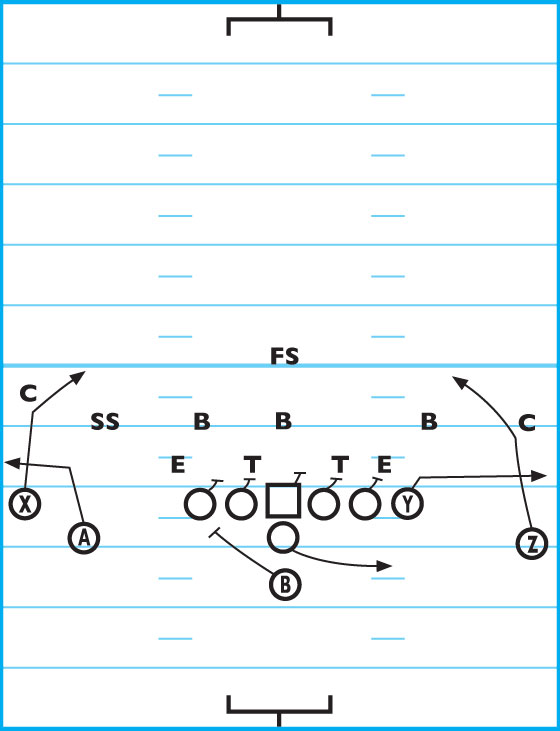
DIAGRAM 2: Same as Diagram 1.
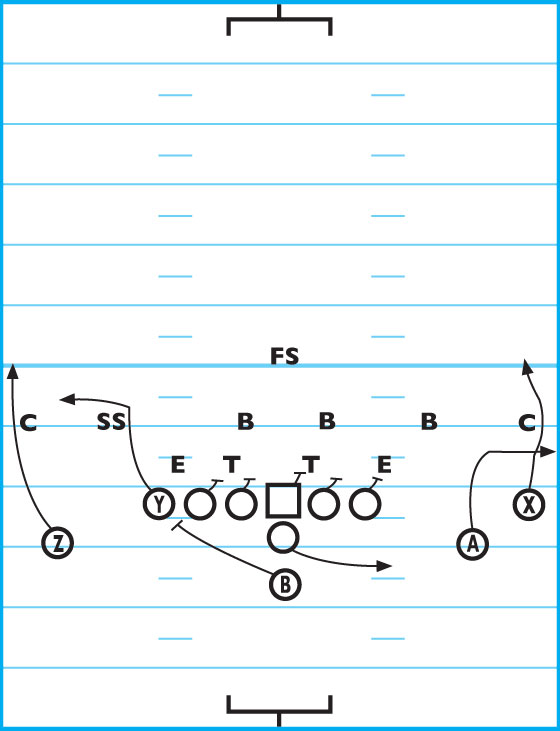
DIAGRAM 3: Same as Diagram 1.
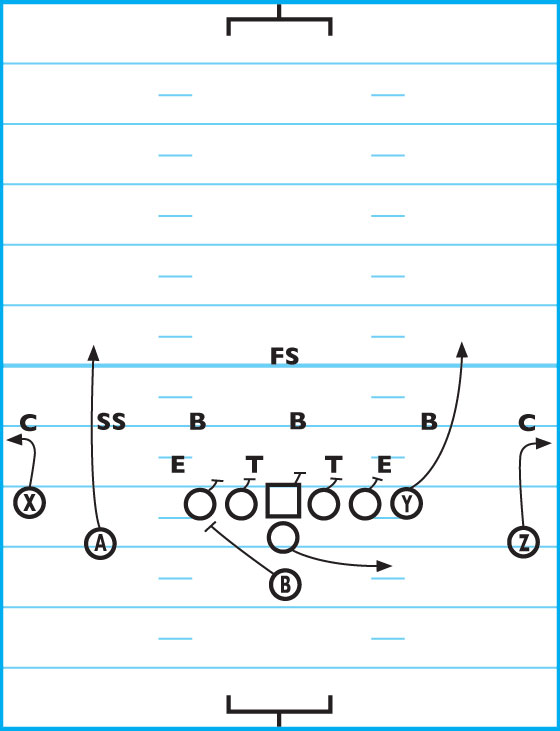
DIAGRAM 4: The QB reads the No. 2 defender and must keep an eye on the defense’s adjustment to motion.
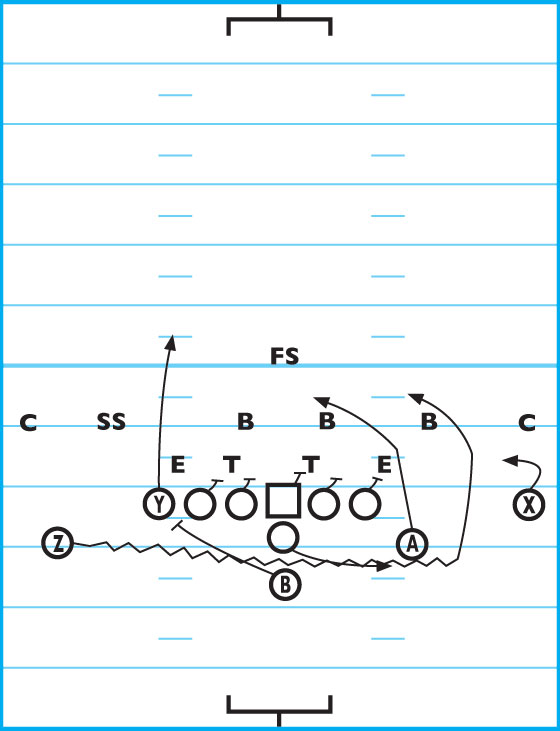
DIAGRAM 5: Same as Diagram 1.
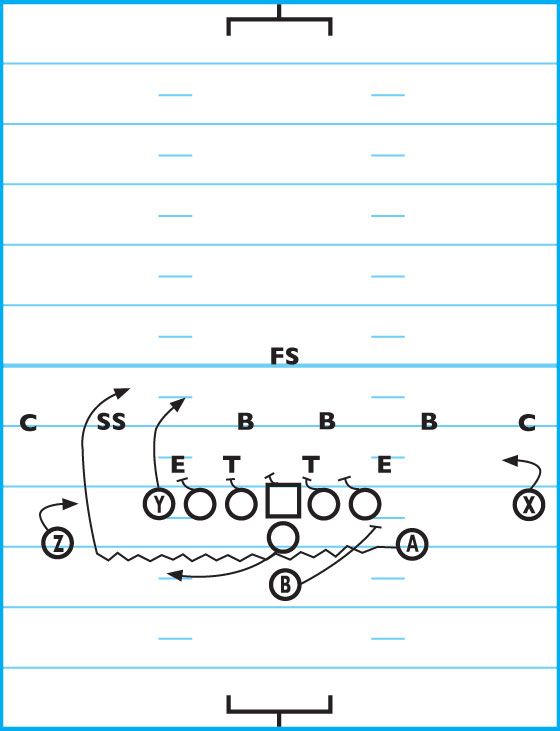
DIAGRAM 6: The QB reads the cornerback. If the CB backs off, then the QB delivers the ball to the out receiver.
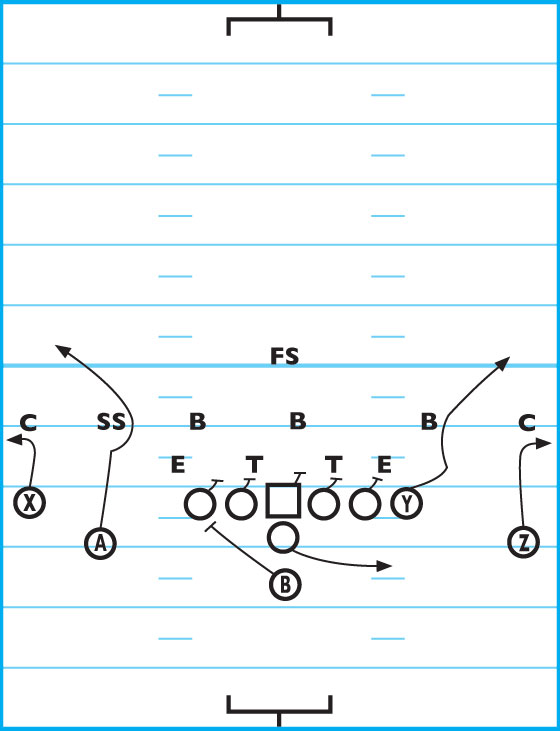
DIAGRAM 7: The QB reads the CB. If the CB backs off, then the QB delivers the ball to the slant receiver.
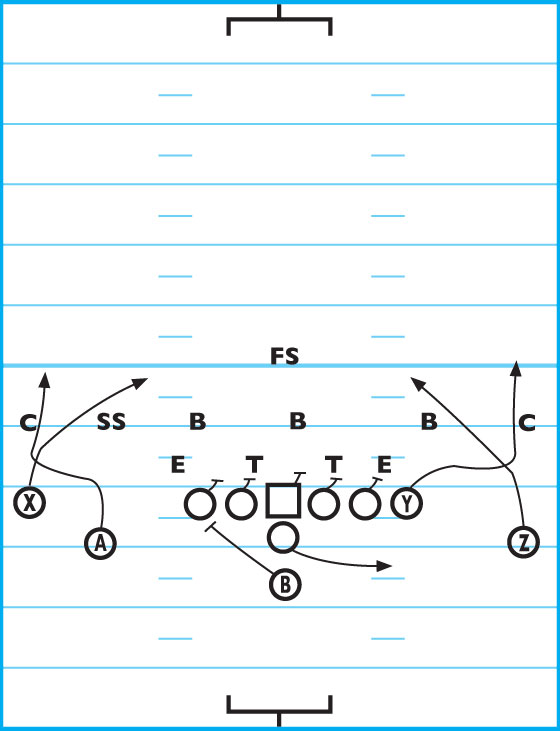
DIAGRAM 8: The QB reads the CB. If the CB backs off, then the QB delivers the ball to the short receiver.