THE 600 SERIES ATTACK is a wide-open, balanced, spread offense based on motion and deception. The success of this innovative system is due to a philosophy of taking advantage of what the defense will give you.
Hybrid Attack
The 600 series is a combination of many systems and offensive ideas including the run-and-shoot, single wing, wing-T, and fly offense. Through proper execution, this offense can be virtually unstoppable at times.
Another major key to the success of the offense has been the sweep and belly series, which combines many of the principles of option football.
It’s very similar to the spread option or wishbone attack in that the defense must play assignment football to contain all phases of the attack.
If a defense neglects one or more of the 600’s attack points, you’ll make them pay with an effective play adjustment.
Why It Works
The main difference in this type of a system as opposed to a traditional option offense is that your offense attacks the perimeter first with the sweep, then hits inside with the fullback belly. This forces the defense to become soft on the interior and neglect linebacker flow.
The 600 series utilizes multiple formations including:
X Double slot.
X Trips variations.
X Unbalanced trips (tornado).
X No-back formations.
Motion
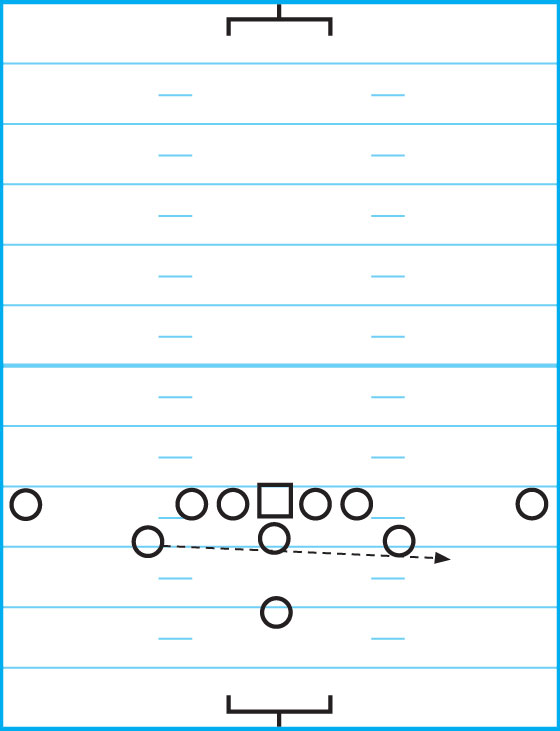
There are two different types of motion in this attack:
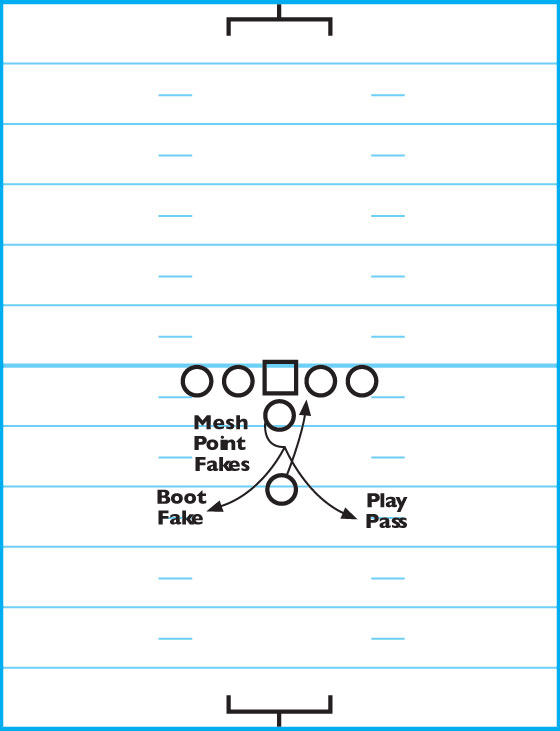
DIAGRAM 1: Short motion (fly). This is used primarily to quickly put you into the mesh point for the belly series.
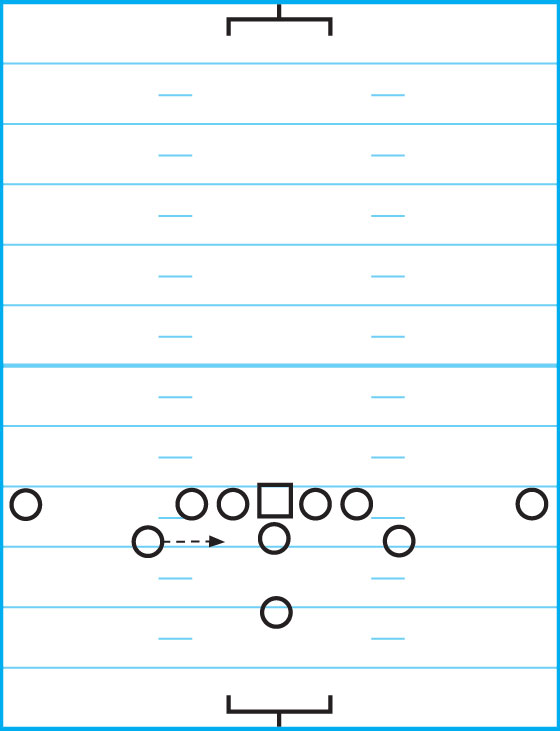
DIAGRAM 2: Extended motion. This type of motion is used for the dash or run-and-shoot passing attacks.
Reasons For Running The 600 Series
This is an offensive system that is very seldom seen by defenses and can be very difficult and time consuming to defend. There’s not one true defense that’s best suited to stop this sort of offensive attack. There are plays and play variations to take advantage of any weakness in a defensive structure.
The 600 series can be an equalizer for teams that don’t have the talent to compete every week against top-notch opponents. This style of play provides a framework to operate a balanced attack out of a spread formation and gets the ball into the hands of your most-skilled players.
Sweep Series, Dive Series
The sweep series and dive series features the ultimate in misdirection football. Every play is designed to look similar to the defense. Due to the handoff technique that your quarterback will use, it’s difficult for the defense to see the football being handed off.
DIAGRAM 3: Triple-threat attack areas. The defense is immediately threatened in three or more areas at the snap of the ball. The 600 series makes defenses react to the mesh point, then counters by using multiple-play variations to take advantage of defensive weaknesses.
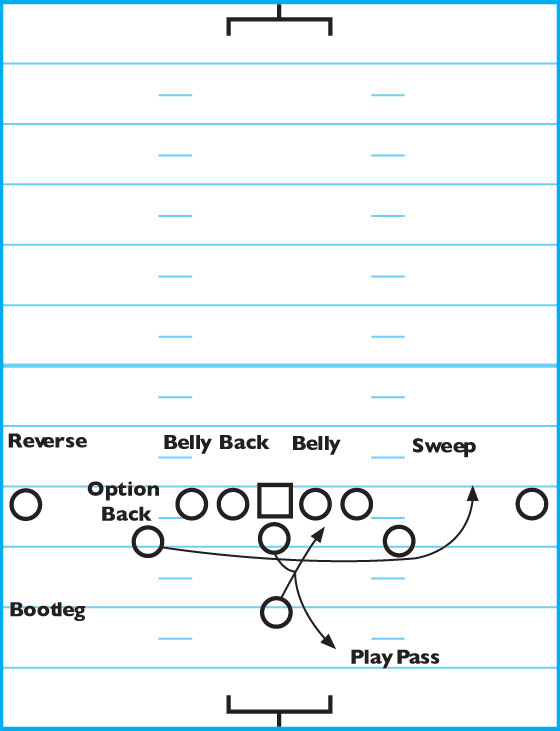
This offensive package is balanced from a run/pass standpoint. Receivers handle the ball about 40 percent of the time on outside- or inside-sweep plays and the FB will carry the ball about 50 percent of the time.
An extensive play-pass package that’s triggered off backfield action and complementary QB runs, constitute the remainder of the sweep or dive series.
DIAGRAM 4: Sweep track.
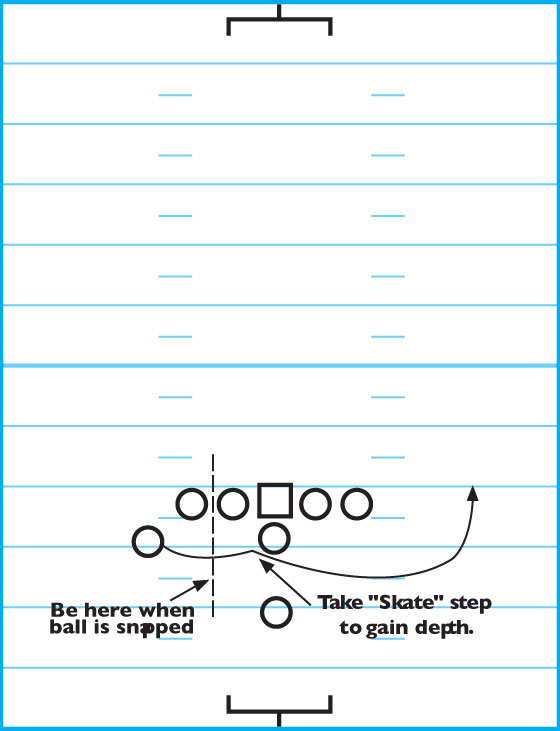
DIAGRAM 5: Belly tracks.
DIAGRAM 6: Quarterback tracks.
Try to establish the sweep first and all other phases of the offense will branch off of it.
Base Sweep
You can run the sweep play from either a trips or balanced formation. The base blocking for this is done with a zone scheme. This keeps defenses from recognizing the play as a sweep, dive or pass at the snap.
Many teams incorporate this type of speed sweep into their offense as a “g-scheme” — where they pull the front-side offensive guard to lead for the slot or wing. The reason that we don’t block it this way in the 600 series is that we feel the sweep is the fastest perimeter-attacking run play in football and pulling this OG is a waste because he’ll never get in front of the player running the sweep.
RECEIVER ASSIGNMENTS ON SWEEP:
Front-Side Split End: Stalks corner and must maintain his block. This block can take a long time to develop.
Front-Side Slot: Blocks the most dangerous man with an inside-to-out progression. This player blocks the defender who is the biggest threat to blow up the sweep.
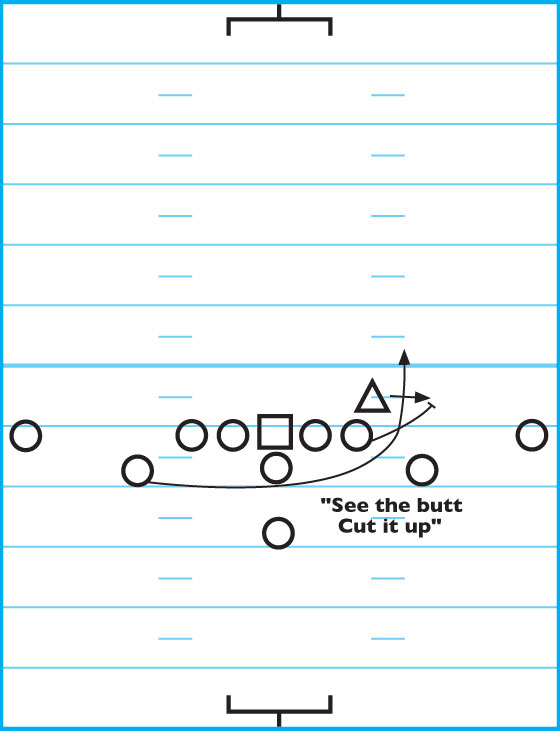
Backside Slot: Runs the sweep track. Only goes inside when running into a wall. Follows the rule: “See the butt, cut it up.”
Backside SE: Works to block the corner or half-field safety vs. 2-deep.
O-Line Blocking For Base Sweep
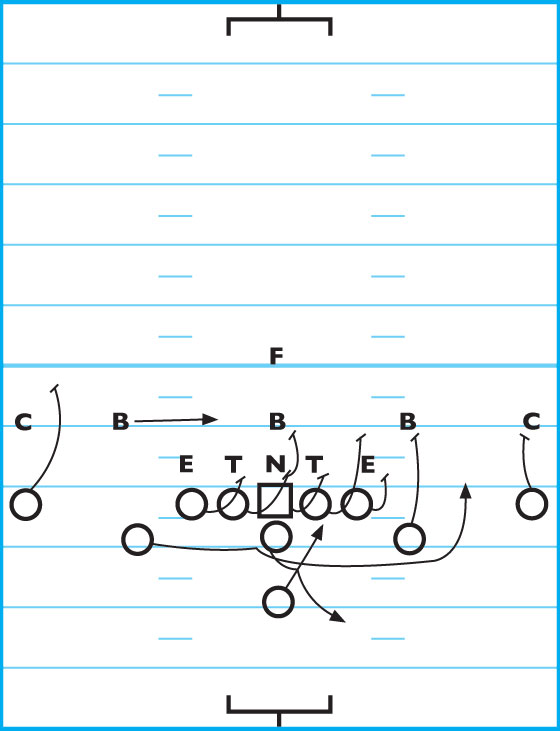
The philosophy of our base-sweep blocking is to have offensive linemen reach the play-side gap and work their blocking track to the next level of linebackers and defensive backs.
They should bucket step on the play side and try to put the defender on their back shoulder and work upfield creating a “moving wall.”
Defenders on the LOS to the backside won’t be able to make the play on the 600 series speed sweep, so have your linemen look to work past them and get on the LBs. We will never chase a defender who goes away from us and this will bump us to the next level. This is our “reach-and-search” concept.
DIAGRAM 7: 600 series sweep. “Reach-and-search” concept for offensive linemen.
Sweep Blocking Vs. Base Fronts
DIAGRAM 8: Sweep 608 vs. 4-2.
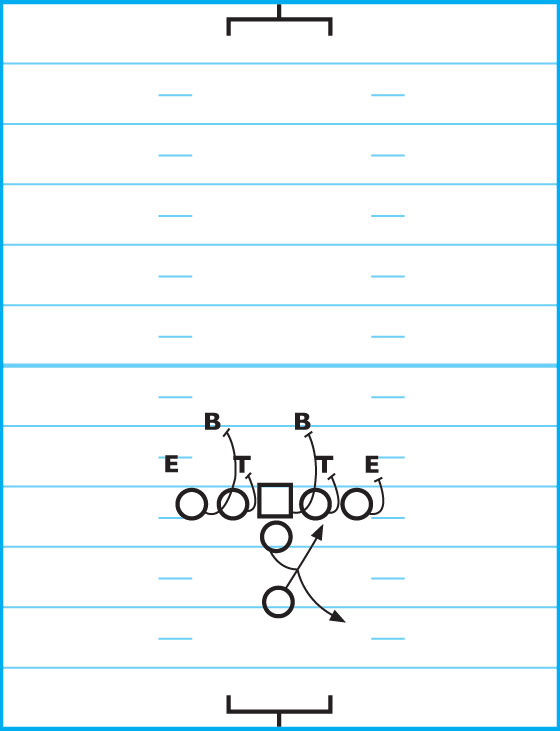
DIAGRAM 9: Sweep 608 vs. Base 4.
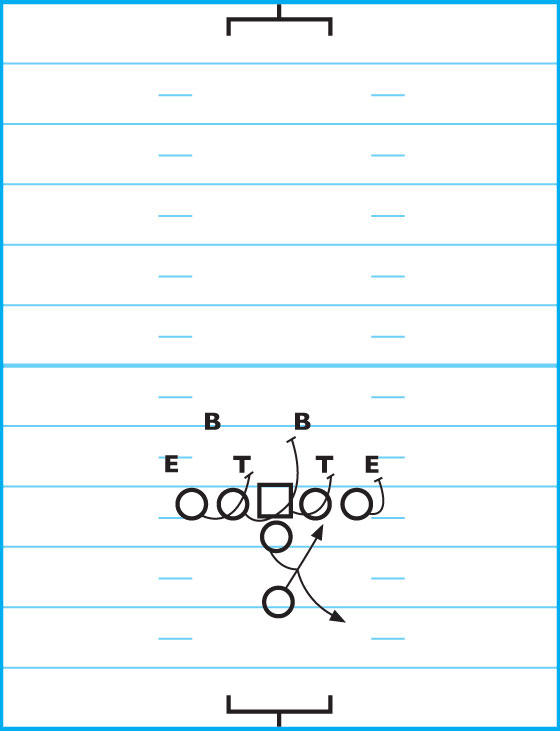
DIAGRAM 10: Sweep 609 vs. 5-3.
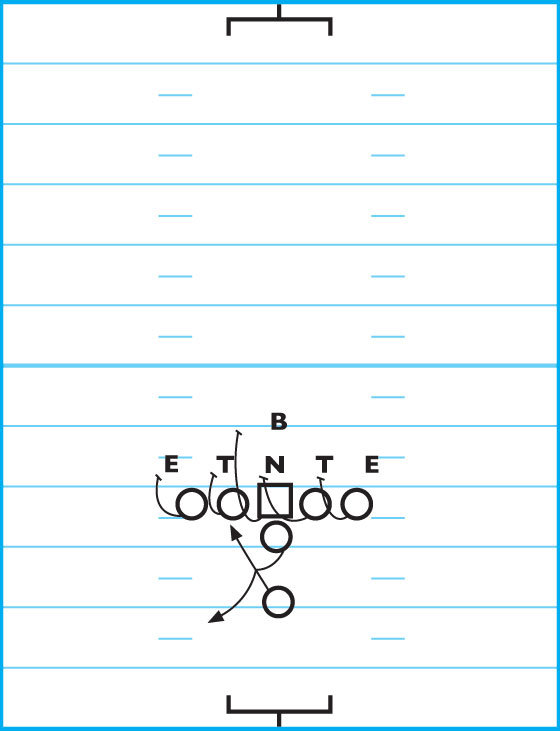
DIAGRAM 11: Sweep 608 vs. 50.
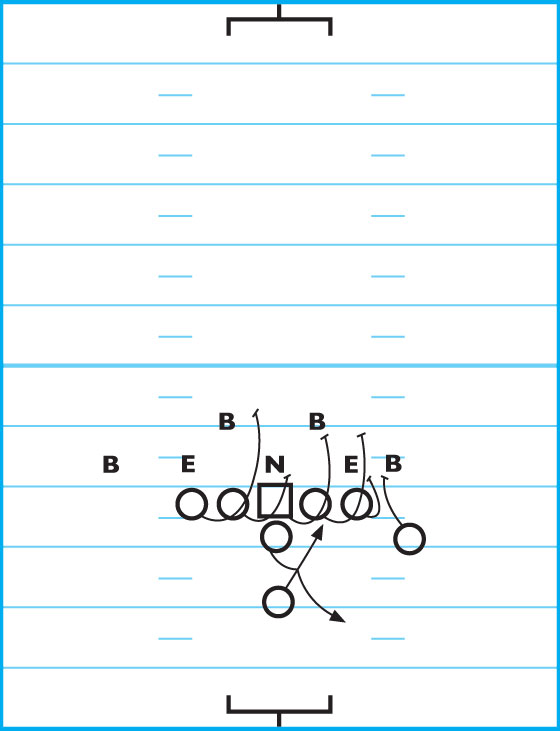
DIAGRAM 12: Sweep vs. 4-4.
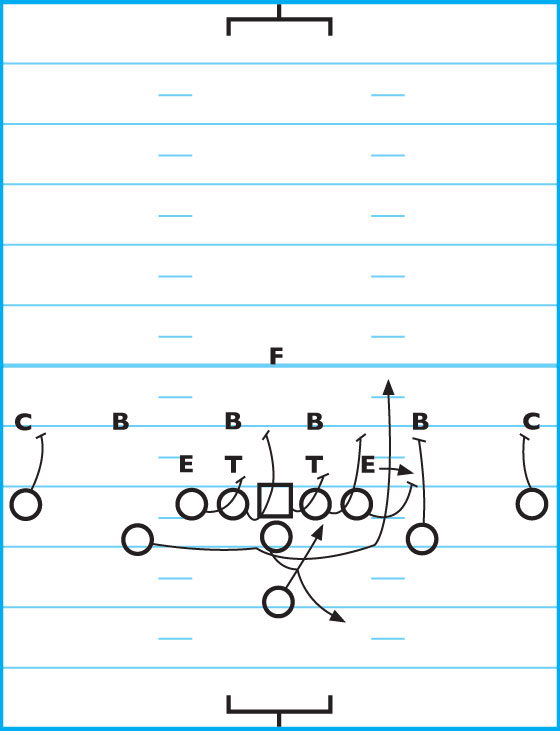
DIAGRAM 13: Reading the slot back. Against outside pressure or if the play-side slot has trouble blocking the play-side LB, the backside slot follows the “see the butt, cut it up” rule.
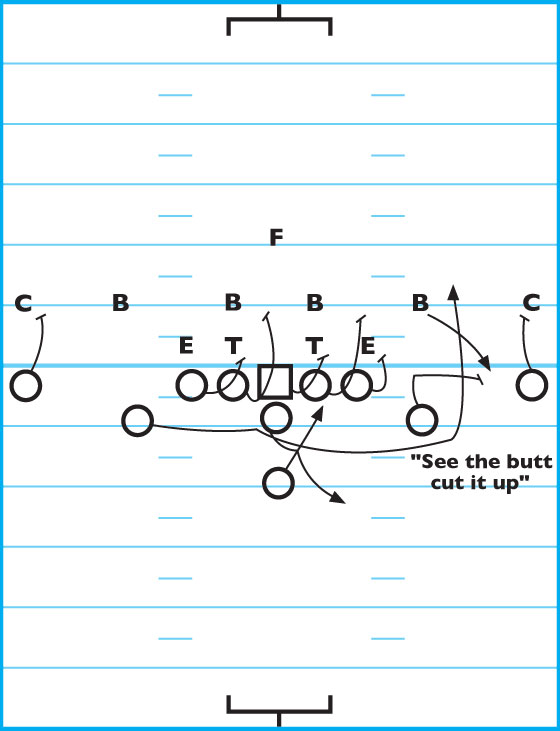
DIAGRAM 14: Vs. inside pressure. Reading “most dangerous man” rule.
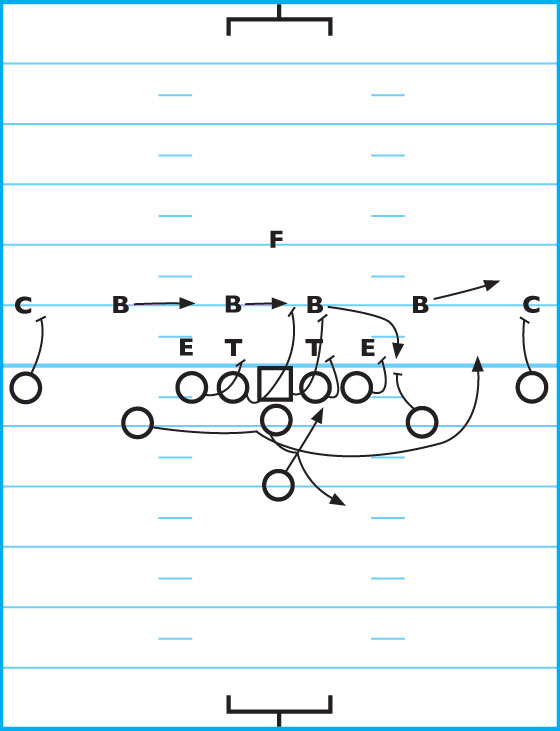
Sweep Techniques, Reads
DIAGRAM 15: Ball carrier reads. The back-side slot must be at full speed when the ball is snapped. Once the ball carrier has secured the handoff, he puts the ball on the outside hip and takes a skate-step to gain depth. He cuts upfield as soon as possible.
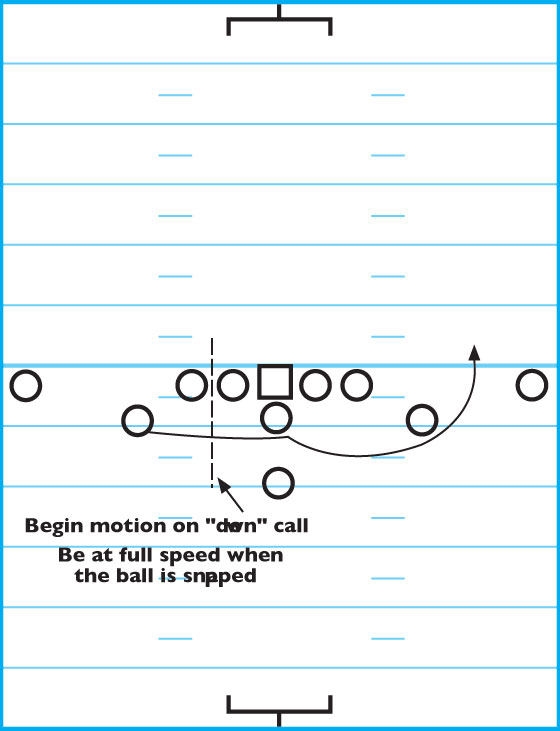
DIAGRAM 16: “See the butt, cut it up” rule.