A number of years back, we found ourselves struggling with the increasing number of trips formations. Not only were they appearing more often but also in an infinite number of combinations. We had a basic trips coverage called “Louie.” It put the trips side OB in level one flats coverage. Our strong safety ($) covered level two deep flats and our trips side corner covered the deep third to that side.
While there was nothing wrong with this coverage, we found it to be limited in certain situations. We were susceptible to certain plays like a quick WR screen to the outside. Our OB was getting cracked on outside running plays because of his alignment and responsibilities. We felt we needed a change in our system to keep what worked but to also adapt to cover certain plays if they resulted in big yardage gains.
We came up with a simple numbering system to change responsibilities and still cover all levels in zone. We numbered our levels of coverage as follows: level 1 (flats - L.O.S. to 7 yards); level 2 (deep flats - 8 yards to 15 yards); and level 3 (deep third - + 15 - yards to the end zone). We then assigned each person in our ‘Louie’ coverage a position. The first number will always refer to the OB, the second number will always refer to the $, and the third number will always belong to the corner.
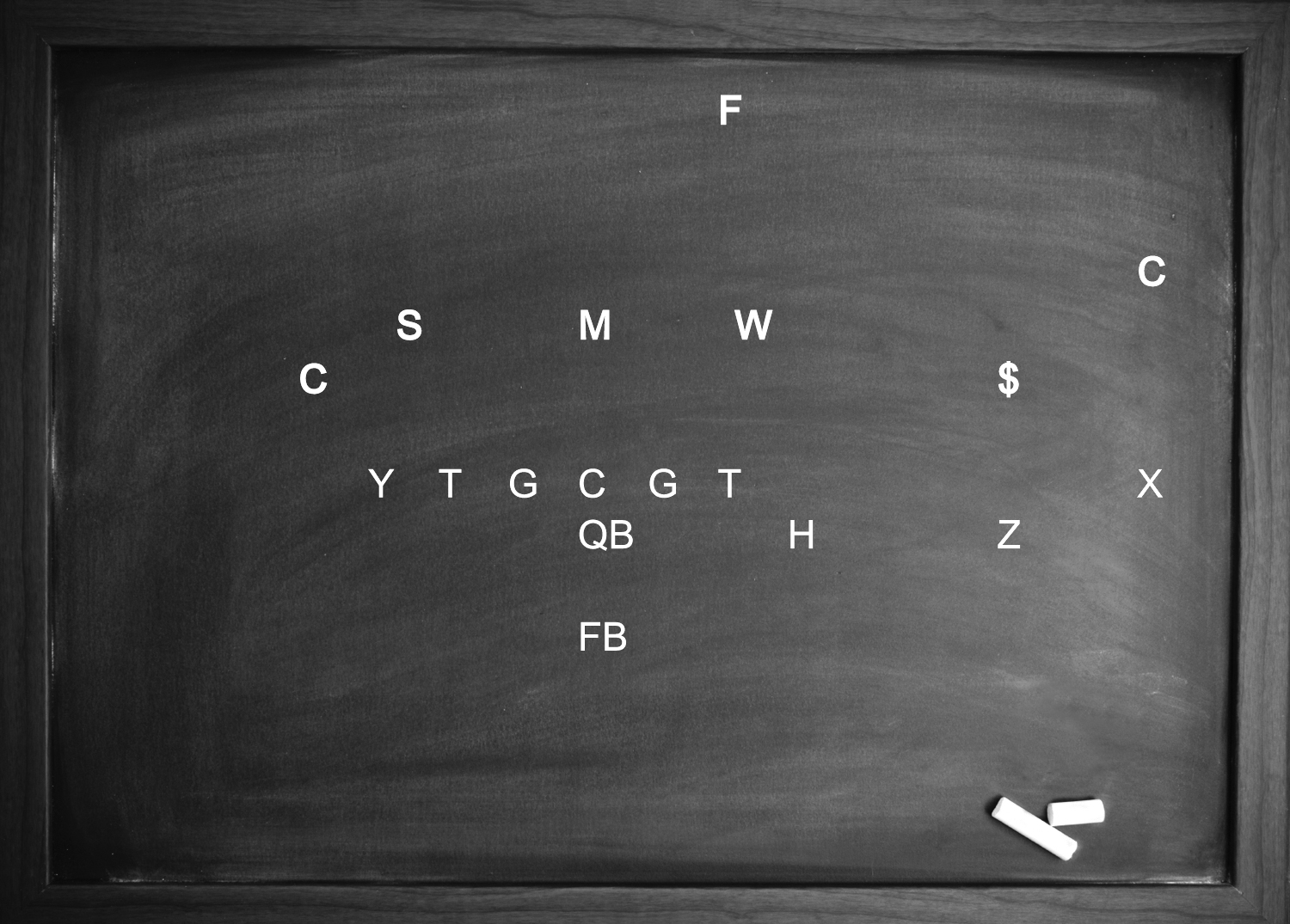
Our base coverage for trips is ‘Louie 123’ with the OB at level one, $ at level two, and the corner at level 3 (See Diagram 1).
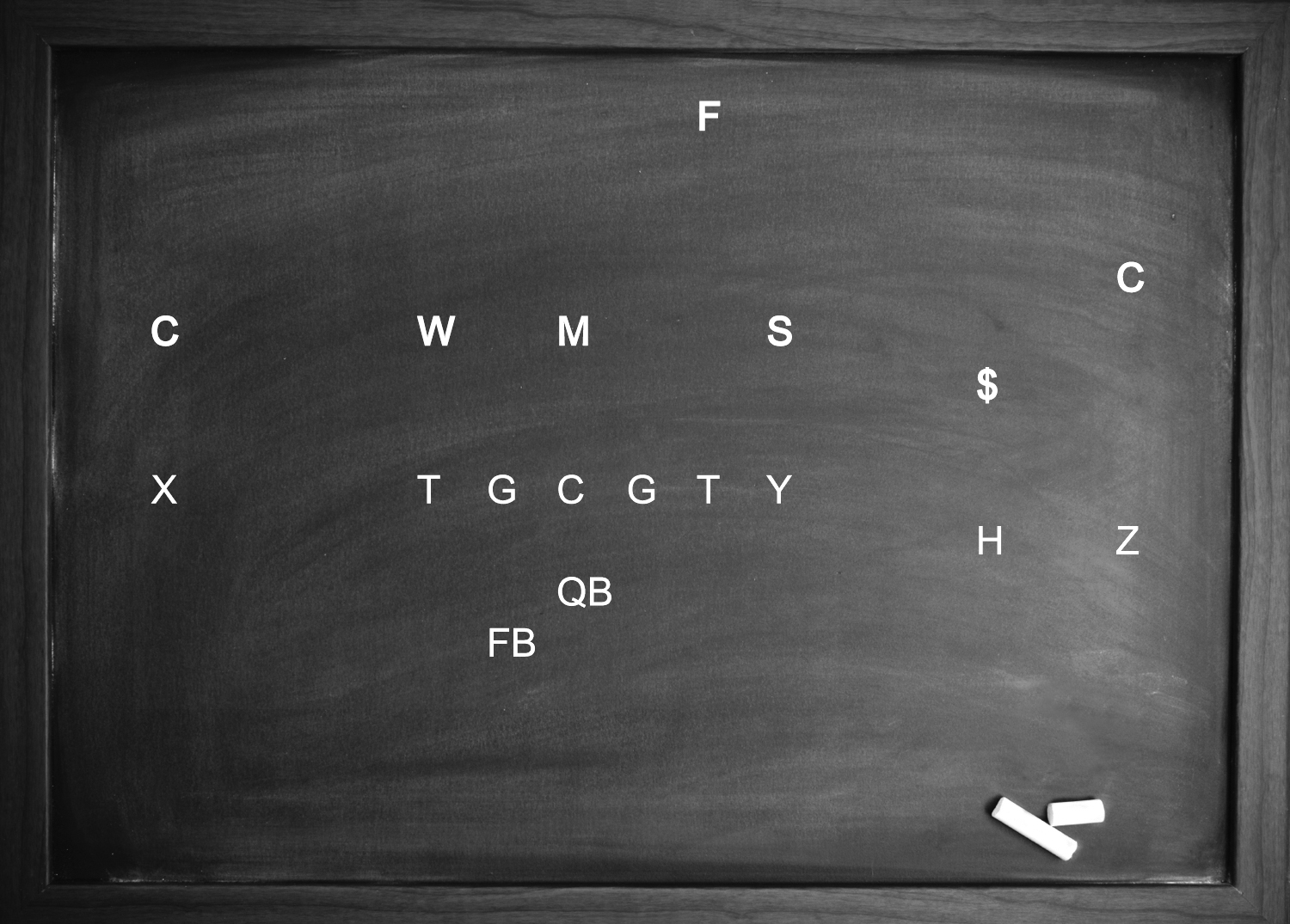
If we want to protect the OB from a crack block or to get instant pressure, we go to ‘Louie 213.’ The OB drops off into level 2, $ stays low in level 1, and the corner drops off into level 3 (See Diagram 2).
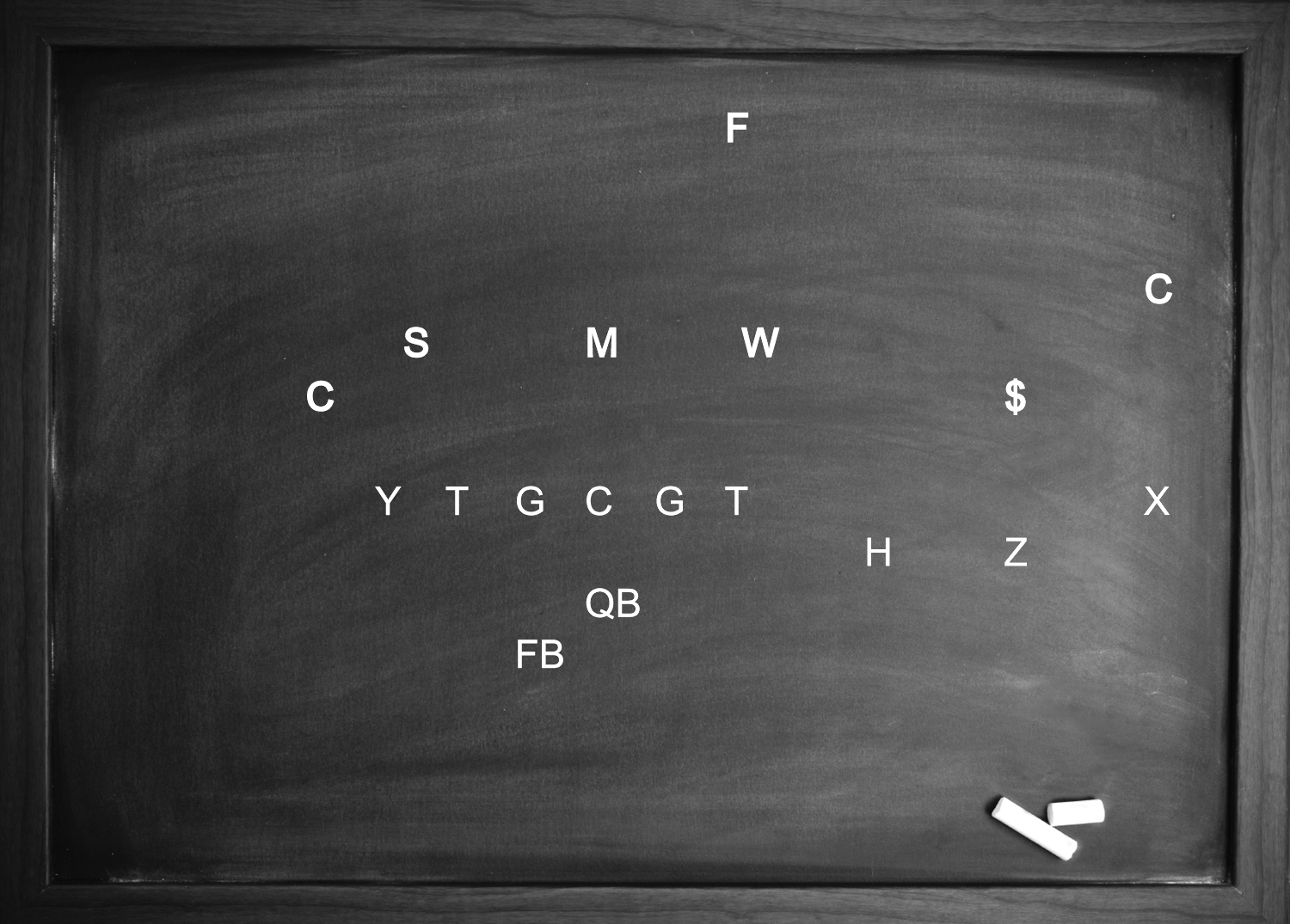
We also use 231 when we want instant pressure from the outside in. The OB drops into level 2, the $ bails to level 3, and the corner drops immediately into level 1 (See Diagram 3).
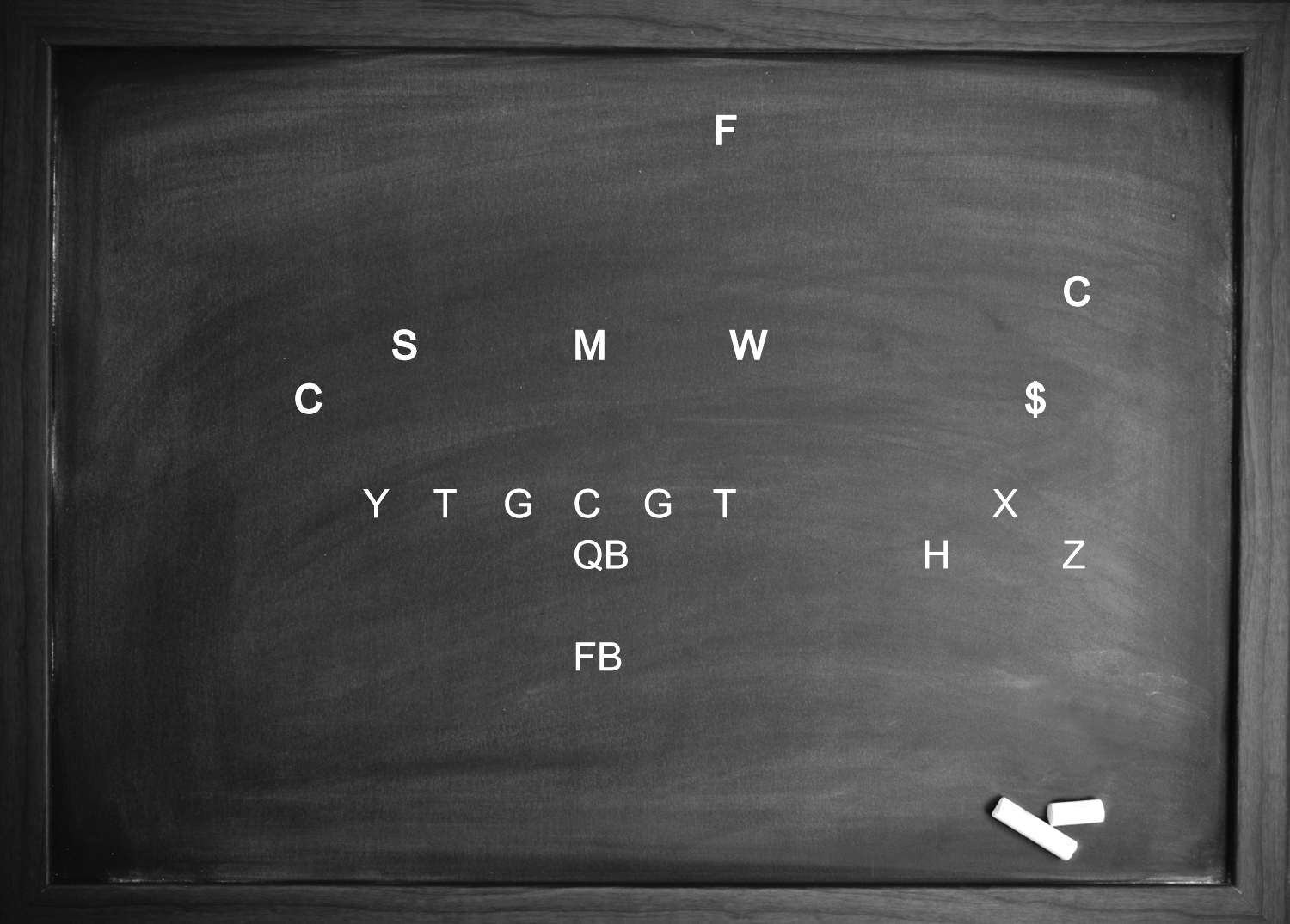
Against a bunch trips, where the offense runs a lot of quick under routes, we will use 113. The OB takes the inside flats (hook/curl zone), the $ takes the outside flats (from hook/curl to sideline) and the corner plays over the top. In this coverage it is better to roll your backers to the trips on pass and play man away from trips (See Diagram 4).
Although all of these coverages have limitations, the unpredictability also leads to break-ups and turnovers. We have had great success with this multiple zone coverage package.
It is important that the players on the trips side line up the same way every time, regardless of coverage. They can easily get to their coverage areas after the snap. It is also important that, regardless of the coverage called, they all still read their keys and play the run as well as the pass.
About the Author: Tom Taylor is a 20-year football veteran. He has been the head coach of Oak Glen High School in New Cumberland, WV and currently is the head coach at Weir High School (WV). He has also served as an assistant coach at three high schools: Weir, Oak Glen and Madonna. Taylor has also coached track and wrestling over the last decade at Weir.