On our inside veer play, we are always looking to run the play to the side of the defense that allows the playside slot back to load block the playside linebacker (See Diagram 1).
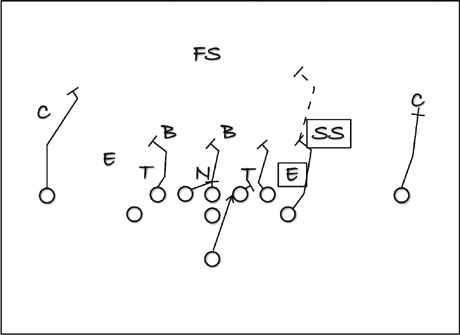
Diagram 1: Inside Veer Load Blocking Scheme
When the QB decides to simply change the play from right to left or vice-versa, he makes a ‘xerox’ call or a ‘copy’ call along with a hand gesture. The ‘xerox’ call is for the linemen to hear and the hand gesture is for the backfield players and receivers to see. The common hand signal for this is the index finger on one hand raised and pointed skyward. This signal (the hand making the #1 gesture) is used because it is our first audible check. Regardless of the play called in the huddle, the ‘xerox’ check is the most common in our arsenal. Similarly, our trap, trap option and rocket sweep plays can be changed based on the above referenced criteria. When checking to a better side to run trap option, the QB wants to make sure that the pitch key on the selected side is ‘soft.’ This means not on the line of scrimmage because of the ‘whirlybird’ action in the backfield (See Diagram 2).
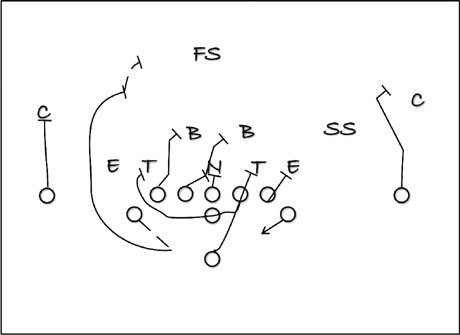
Diagram 2: Trap Option Load Blocking Scheme
The ‘whirlybird’ action in the backfield causes the QB to turn his back to the pitch key of the defense which puts the QB in poor position to see a ‘hot’ stunt by the pitch key. We term any aggressive movement by the pitch key toward the quarterback while running the option as a ‘hot’ stunt.
As with the inside veer audible, we use a hand signal and key word to communicate that we are changing the trap, trap option and rocket sweep play from one side to another. Generally, we use the same index finger gesture to communicate the change to the backs and receivers and the ‘xerox’ call to alert the linemen of the change. As you can see from these examples, any time we ‘xerox’ a play, the raised, index finger hand gesture is used. This fits with our philosophy of keeping things simple. In this way, the players on the field need only to know the huddle call. If the play looks good to the side it was originally called, then it can be run. If not, our first audible check is signaled by making the #1 hand gesture. These are just three examples for our ‘xerox’ audible. By using the same rationale, we can ‘xerox’ or ‘copy’ any play in our arsenal.
The ‘xerox’ check is the most commonly used check in our weekly game plan. Because of our affinity with simplicity, we will not formulate a game plan with more than two or three checks at the line of scrimmage. If the ‘xerox’ call is one of those checks, we then coach the QB on one or two other strategic audibles based on the defensive tendencies of our opponent.
One of these other strategic audibles can be the formation and a play with no direction. For example, using our terminology, we would say ‘spread veer check.’ ‘Spread’ is our formation name for double slots and double split ends as shown in the two previous figures. ‘Spread veer check’ means that we will run the inside veer but we are going to let the QB determine the side. This is accomplished by using the same criteria mentioned above. The QB is looking to run the play to the wide side of the field or to the side of the formation that allows us to use our load-blocking scheme by the playside slot back. Diagram 3 shows the side of the defense that allows us to use the load scheme.
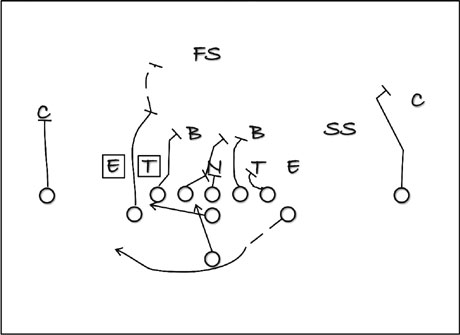
Diagram 3: 15 Black Veer Check To Load Blocking Scheme
The quarterbacks’ terminology for this is a color code which tells the linemen if the play is to be run to the right or to the left with a hand gesture for the backs and receivers to see. We use our uniform colors to signify right and left. If our uniform colors are red and black, red would be used to signify a play run to the right and black would be used to communicate a play being run to the left. Also, using our terminology, the number 12 is our inside veer to the right and 13 is left. Therefore, in looking at the defensive alignment in Diagram 3, the audible would be ‘check, check… 13 black, 13 black.’ While saying this, the QB would be making a signal to the backs and receivers such as a pat on the hip (right hip for 12 veer, left hip for 13 veer).
As you can see, ‘13 black’ is the appropriate check. This is because the left slot back can load block the left inside linebacker or continue on to block the free safety if the linebacker is blocked by the veer releasing left tackle. This is a very effective way to take what the defense gives us so we can effectively execute our offense.
Depending on our opponent and our own capabilities, these two audibles may be the only ones needed for an effective game plan. The final audible that we typically utilize is running any of our base plays at a certain defensive player. We may decide, as a coaching staff, that we would like to attack the defense in a certain area based on what we think are the abilities (or lack thereof) of a player on our opponent’s defensive line, linebacker unit or secondary unit. Any play in our arsenal, run or pass, can be directed at an opponent’s weakness as long as we are careful not to let this type of scheming take away from the original thought process in our ‘xerox’ or ‘check with me’ system. Taking advantage of a defensive weakness of the opponent should never take precedence over effectively executing our base offense fundamentals, footwork and audible system. We are sure to remind ourselves of the old coaching adage: ‘A poor call executed perfectly is better than a great call executed poorly.’
Bobby Korenic is a scouting consultant in northeast Ohio. From 1999-2005, Korenic served as an assistant coach at Youngstown Ursuline High School. He can be reached at rkorenic@aol.com.